USA
Tampa
Gulf breezes — waterfront growth and insurance-heavy budgets
Family budget at a glance
The all-in range matches the FAQ answer for "How much does a family typically need per month here?" The other cards are single-line benchmarks — they don't add up to that total (school fees and other costs are separate).
All-in / month (family of 4)
~$6,500–$8,500 / month
3-bed family home
~$2,700 / month
Dinner for 2 (mid-range)
~$65
Nanny
~$20 / hr
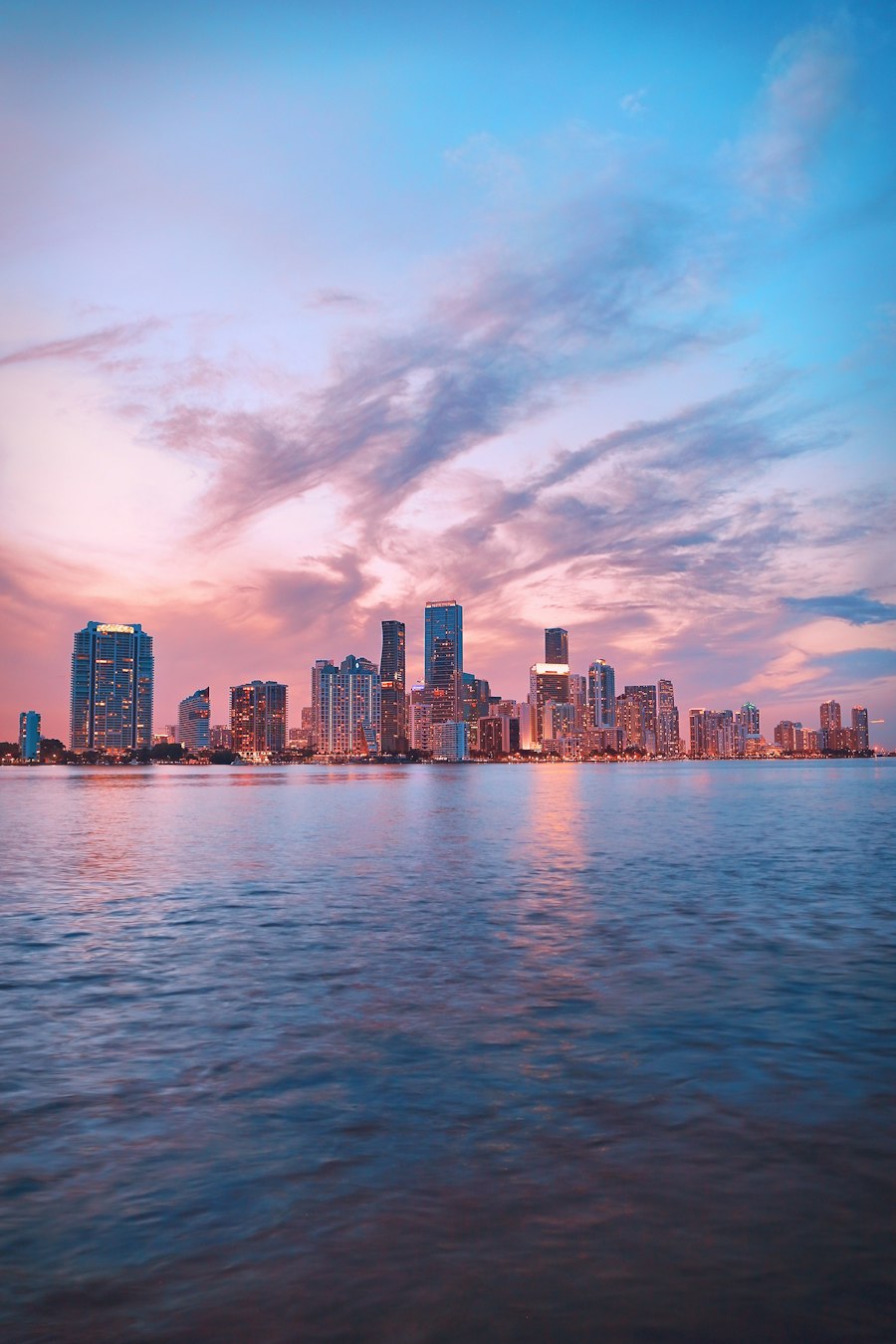
Tampa anchors Florida's Gulf Coast marrying downtown Channel District cranes with Wesley Chapel subdivisions stretching toward booming Pasco corridors. Households deliberate flood zones, hurricane NHC (National Hurricane Center) cone anxiety, salty air corroding HOA railings, and zero state-income-tax wins offset by soaring homeowners premiums.
Explore more family guides in USA →
Action checklist
Concrete steps to make this move happen, in order.
Click any step to jump to that section ↓
- 1Confirm ESTA eligibility or arrange a US work visa package — Immigration rules are nationwide
- 2Start housing ~8 weeks out — hotspots near Hyde Park, South Tampa, Westchase, Wesley Chapel clear fast
- 3Start apartment search in South Tampa or Westchase 8 weeks before arriving — check flood zone status at fema.gov/flood-maps before signing any lease in the Tampa waterfront areas.
- 4Arrange health insurance before your first day in the US — either through your employer's group plan or via an IPMI (International Private Medical Insurance) policy. In the US, a single emergency room visit without insurance costs $2,000–$10,000.
- 5Visit SSA.gov offices for Social Security Numbers with passport + visa + I-94 downloads
- 6Open a US bank account at Chase, Wells Fargo, or a local bank within the first week — bring your passport, visa, I-94 arrival record (download at cbp.dhs.gov/i94), and a signed lease. You need a US account to pay rent by bank transfer, set up utilities, and receive direct deposit.
- 7Florida new-resident licences require vision tests — LASIK glare checks beforehand
- 8Build a 7-day hurricane supply kit (water, food, medications, documents) in August before peak season — Tampa sits in a high-risk hurricane corridor and annual drills are taken seriously.
Family fit
Great for
- Logistics, maritime, and finance professionals relocating to Tampa's corporate base (Citigroup, USAA, Amazon, and numerous defense contractors have offices here)
- Beach-loving families who want Gulf Coast beaches, warm winters, and no Florida state income tax
- Remote workers and entrepreneurs seeking a Florida lifestyle at lower cost than Miami — Tampa is 30–40% cheaper than South Florida on most family-spending metrics
- Families who value outdoor water sports — kayaking, paddleboarding, boating, and beach access are available year-round
Watch out for
- Tampa Bay has high hurricane storm-surge risk — home and flood insurance premiums are among the highest in the US, and some insurers have stopped writing new policies in Florida
- Tampa is car-dependent — there is no practical public transit for suburban families; budget for two vehicles in a two-adult household
- Florida levies no personal income tax but has high sales tax (7.5% in Hillsborough County) and rising property taxes as home values have surged post-2020
- Summer heat and humidity (35–38°C feels-like June–September) with daily afternoon thunderstorms limits outdoor activities to early mornings or evenings
Climate & seasons
Monthly normals (2001–2020) · MERRA-2 (NASA POWER)
Rainy-day counts are approximate (from monthly rainfall).
- HottestMay · 33.6°Cmean daily high
- CoolestJan · 2°Cmean daily low
- WettestAug · 252 mmmonth total
- DriestNov · 48.9 mmmonth total
- Low
- 2°C
- Rain
- 65.1 mm
- Wet days
- ~5
- Low
- 5°C
- Rain
- 64.1 mm
- Wet days
- ~5
- Low
- 7.3°C
- Rain
- 72.9 mm
- Wet days
- ~6
- Low
- 12.3°C
- Rain
- 63 mm
- Wet days
- ~5
- Low
- 17°C
- Rain
- 88.7 mm
- Wet days
- ~7
- Low
- 22.1°C
- Rain
- 225.9 mm
- Wet days
- ~19
- Low
- 23.6°C
- Rain
- 239.9 mm
- Wet days
- ~20
- Low
- 23.7°C
- Rain
- 252 mm
- Wet days
- ~21
- Low
- 20.8°C
- Rain
- 184.5 mm
- Wet days
- ~15
- Low
- 13.2°C
- Rain
- 69.4 mm
- Wet days
- ~6
- Low
- 8.2°C
- Rain
- 48.9 mm
- Wet days
- ~4
- Low
- 5.5°C
- Rain
- 65.1 mm
- Wet days
- ~5
| Month | Typical high | Typical low | Rain (total) | Rainy days (~) |
|---|---|---|---|---|
| Jan | 25.8°C | 2°C | 65.1 mm | 5 |
| Feb | 26.6°C | 5°C | 64.1 mm | 5 |
| Mar | 28.5°C | 7.3°C | 72.9 mm | 6 |
| Apr | 31.2°C | 12.3°C | 63 mm | 5 |
| May | 33.6°C | 17°C | 88.7 mm | 7 |
| Jun | 33.5°C | 22.1°C | 225.9 mm | 19 |
| Jul | 32.7°C | 23.6°C | 239.9 mm | 20 |
| Aug | 32.4°C | 23.7°C | 252 mm | 21 |
| Sep | 31.5°C | 20.8°C | 184.5 mm | 15 |
| Oct | 30.2°C | 13.2°C | 69.4 mm | 6 |
| Nov | 28°C | 8.2°C | 48.9 mm | 4 |
| Dec | 26.3°C | 5.5°C | 65.1 mm | 5 |
Family notes
- Warmest month on average: May (mean daily high ~34°C); coolest: Jan (mean daily low ~2°C).
- Most rainfall on average: Aug (~252 mm total); driest: Nov (~49 mm).
- Mean daily highs reach about 32°C or more in May, Jun, Jul, Aug — plan air-conditioning, shade, and limited midday outdoor time for babies and young children.
- Winter nights can dip near freezing (Jan) — reliable home heating and warm layers for school commutes matter for children.
- Very wet months mean waterproofs, covered waiting at school pickup, and extra room to dry uniforms and shoes.
These values are long-term monthly climatologies from NASA POWER (MERRA-2 reanalysis) for the nearest model grid cell to these coordinates — not a single city-centre weather station. Spatial resolution is about 50 km; coastal belts, hills, and dense urban cores can differ. Precipitation is corrected MERRA-2 rainfall; rainy-day counts are approximated from monthly totals.
Grid cell used: 27.948°, -82.458° (WGS84)
Visa options
Reviewed Apr 2026
Reviewed Apr 2026
US immigration rules are federal — the same in every state and city. Short visits: travellers from VWP (Visa Waiver Program) countries must get ESTA (Electronic System for Travel Authorization — online permission to board a US flight) before travel. After you land, CBP (US Customs and Border Protection) admits you for a limited time — usually up to 90 days per trip under VWP — and records it on your I-94 (official admit-until date at i94.cbp.dhs.gov). B-2 (tourist visa) visitors are often given up to six months per trip on I-94, but the officer decides. None of these allow paid work for a US employer. To live and work long-term, you need an employer-backed petition filed with USCIS (US Citizenship and Immigration Services) and a visa such as H-1B, O-1, or L-1 — or, for many Canadian and Mexican professionals, TN under USMCA. There is no general US remote-work or digital-nomad visa.
Tap the ? next to a term for a quick definition.
ESTA / B-1/B-2 Visitor Visa
ESTA: apply on esta.cbp.dhs.gov before you fly if your country is in the VWP — approval usually lasts two years, but each stay ends on the date CBP puts on your I-94 (often 90 days max per entry). B-2: apply at a US consulate if you are not VWP-eligible; how long you may stay each trip is set at the border on I-94 (often up to six months, not guaranteed). Tourism, family visits, and scouting only — not US payroll work.
Employer-sponsored work visa (H-1B / O-1 / L-1 / TN)
A US employer (or qualifying US entity) files with USCIS for H-1B, O-1, or L-1, or you may qualify for TN at a border or consulate if you are Canadian or Mexican in a listed profession. You start paid work only after your status allows it — there is no broad freelance or remote-nomad visa for the US.
ESTA / B-2 — how long you can stay and what to do first
- Step 1 — Before travel: complete ESTA (VWP nationals) or book a B-2 visa interview — consular wait times vary a lot by country.
- Step 2 — After entry: download your I-94 from i94.cbp.dhs.gov — that admit-until date is your real leave-by deadline for this trip.
- VWP/ESTA: plan for about 90 days per visit unless I-94 shows less — you usually cannot extend VWP from inside the US.
- Paid work for a US employer is not allowed on tourist status; rules on other activities are strict — ask a US immigration attorney if you are unsure.
- Good use for relocation planning: a short trip to view neighbourhoods, schools, and employers — then leave before I-94 expires, or get an appropriate work visa before moving (often applied from outside the US).
- Overstaying past your I-94 date can mean long bars on returning — treat that date as firm.
Work visas — from offer to first paycheck
- H-1B (specialty occupation — typically degree-level jobs): annual cap and often a lottery in March; many new cap hires target an October 1 start — confirm each year with your employer. Processing often takes roughly several months unless premium processing is used where available.
- O-1 (extraordinary ability in certain fields): no H-1B cap; heavy documentation; initial approval often up to three years; timelines often a few months unless expedited.
- L-1A / L-1B (intracompany transfer — executives, managers, or specialized knowledge staff from a foreign branch of the same company): no H-1B lottery; employer files a petition — often roughly 2–4 months processing; one year of prior employment abroad and corporate relationship rules apply.
- TN (USMCA): for Canadian and Mexican citizens in specific professional roles under the treaty — often faster than H-1B for eligible people; duration commonly up to three years per approval; renewals possible — confirm your job title matches the treaty list with an attorney.
- Dependents: spouses and children may receive H-4, O-3, L-2, or TD status — children can usually attend school; whether a spouse may work depends on category and current rules — verify with an attorney.
- Typical order: signed offer → employer and counsel file → USCIS approval → visa stamp abroad if needed, or change of status if eligible → Social Security Number → payroll starts on or after your authorised employment date.
- Changing employers usually requires a new or transferred petition — do not assume you can switch jobs without immigration steps.
Within a few days of every arrival, check i94.cbp.dhs.gov and note your admit-until date — that is when you must leave or change status (your passport visa stamp can show a later expiry). If you need H-1B subject to the annual cap, ask your employer for this year’s registration dates and typical October 1 start — timelines shift each year.
Registration & Social Security Number
Reviewed Apr 2026
Reviewed Apr 2026
- Apply for your Social Security Number (SSN) at any SSA office — bring passport, visa, and I-94 from cbp.dhs.gov/i94; SSN is required for US payroll, banking, tax filing, and utility contracts
- Get your Florida driver's license within 30 days of establishing state residency — book at flhsmv.gov; bring passport, visa, I-94, SSN, and two proofs of Florida address (lease + utility bill)
- Enroll your children in Hillsborough County Public Schools (HCPS) using proof of address and current immunization records — search the HCPS school finder on Google to determine your zone assignment
- Register your vehicle at a Florida Tax Collector's office within 30 days of establishing residency — bring your title, proof of Florida insurance, and an odometer reading
- Florida has no personal state income tax on wages — there is no FL state return to file; however, you must file a federal return annually and may owe taxes on investment or rental income
Get your SSN in week one — your Florida driver's license, bank account, and payroll all depend on it.
Banking
- Chase, Bank of America, and Wells Fargo all have numerous Tampa-area branches and accept new-arrival documentation — bring passport, visa, I-94 from cbp.dhs.gov/i94, and signed lease
- Documents required: passport, valid US visa stamp, I-94 from cbp.dhs.gov/i94, and proof of Florida address (signed lease or utility bill)
- Use Wise or Revolut as an international transfer bridge before your US account is active — both work online without a US address and hold multiple currencies
- Use Wise for ongoing international transfers — US bank wires cost $25–$45; Wise charges 0.5–1.5% and is typically 5–10x cheaper for regular remittances
- Tampa is largely cashless in restaurants and retail — carry $40–$60 for the Saturday morning farmers market in Hyde Park and some cash-only beach vendors
Most Tampa employers use direct deposit — open your US bank account the same week you receive your employment paperwork.
Housing
Tampa's top family neighborhoods are South Tampa (Hyde Park and Palma Ceia — walkable, historic, close to downtown), Westchase (a planned community west of downtown with excellent public schools and a family-friendly layout), and Wesley Chapel (new construction north of the city, great value for space and school quality). A 3-bedroom in South Tampa runs ~$3,200–$4,800/month; Westchase is ~$2,800–$3,800/month. Before signing any Tampa-area lease, check the property's flood zone status — parts of South Tampa and the waterfront areas flood during hurricanes.
Where to search
Work from each portal homepage and narrow by suburb or MLS area — avoids brittle deep URLs.
Tour Tampa neighbourhoods at dismissal time — arterial timing drives sanity.
Tip: branded corporate housing bridges credit-check delays without Airbnb pricing traps.
Typical monthly rents
- 2-bed Channelside loft: ~$2,900–$5,900/month
- 3-bed South Tampa bungalow: ~$4,900–$7,900/month
- 4-bed gated Odessa manor: ~$5,900–$11,900/month
Best areas for families
What you need to rent
- Passport plus visa foil and printed I-94
- Offer letter proving roughly 3× rent
- Two months deposit in hot submarkets
- US ACH routing numbers once your account activates
Schools
Tampa is served by Hillsborough County Public Schools (HCPS) — the county-wide district that covers the entire Tampa area. It is Florida's third-largest school district with a broad magnet program. Most expat families in South Tampa and Westchase use the strong neighborhood public schools, with private options for those who want a smaller class size.
Public system
Hillsborough County Public Schools (HCPS) covers all of Tampa and the surrounding county, including South Tampa, Westchase, and Brandon. It is Florida's third-largest district. School quality is generally strong in the South Tampa and Westchase zones. HCPS operates a magnet program with STEM, arts, IB, and language immersion tracks — apply at sdhc.k12.fl.us.
International options
A small number of IB and college-prep private schools are located in the South Tampa and Westshore area. Annual fees range from ~$19,000 to $36,000/year. Tampa's private school market is smaller than Orlando or Miami.
Language notes
English throughout. Spanish immersion is available at select HCPS magnet schools — Tampa has a large Spanish-speaking community which gives children useful real-world exposure. Apply for magnet programs in January.
Check your assigned neighborhood school at sdhc.k12.fl.us before choosing a Tampa apartment — South Tampa and Westchase zones have consistently strong elementary schools. Families looking for a full IB private option will find the most choice in Westshore and South Tampa.
Education options
Hillsborough County public schools (neighborhood and magnet)
Free, well-funded, and the standard choice for most Tampa families. South Tampa (Hyde Park, Palma Ceia) and Westchase zones have the district's strongest elementary schools. STEM, IB, arts, and Spanish immersion magnet programs are available across the district — apply at sdhc.k12.fl.us in January.
Charter schools
Florida has broad charter school laws — several well-regarded academic and STEM-focused charter schools operate in the Tampa metro. Apply in January; seats are competitive. Search 'charter schools Hillsborough County FL' to compare current options.
Private / IB independent schools
A small number of private IB and college-prep schools in South Tampa and Westshore serve families who want smaller class sizes and a private environment. Fees are mid-range by US standards.
Childcare
Tampa has a large childcare market across the suburbs — Florida's free Voluntary Pre-K program saves significant money for 4-year-olds.
Daycare & nurseries
- Licensed daycare centers in Tampa charge $1,300–$2,400/month for full-day infant care — centers in South Tampa, Carrollwood, and Westchase are most convenient for those suburbs
- Florida's Voluntary Pre-K (VPK) program is free for all Florida 4-year-olds — search "Florida VPK" on Google to find a participating provider and enroll by January for fall; this saves approximately $8,000–$12,000/year in childcare costs
- Hurricane season (June–November) can cause 3–5 day center closures per weather event — have a backup childcare plan and work with your employer on flexible scheduling during hurricane alerts
Nanny & au pair
- Full-time nannies in Tampa charge $18–$22/hr ($3,200–$4,000/month) — nannies who provide pool supervision are in especially high demand
- Part-time babysitting runs $16–$20/hr; University of Tampa and USF students are a popular pool for flexible babysitting in South Tampa and Carrollwood
- Household employers must pay federal payroll taxes on nanny wages above $2,700/year — use HomePay or SurePayroll; Zelle and Venmo are standard for weekly payment
Where to find childcare
- Care.com — filter by "Tampa FL" to browse local nanny profiles; widely used across South Tampa, Westchase, and New Tampa
- Search "Tampa Bay Moms Group" on Facebook — active community where families post nanny referrals and coordinate childcare sharing
- University of Tampa and USF student job boards list students seeking nanny work; Hillsborough County Facebook neighborhood groups are also reliable for word-of-mouth referrals
Healthcare
Reviewed Apr 2026
Reviewed Apr 2026
- There is no public healthcare for non-citizens in the US — expat families must have employer-provided or ACA marketplace insurance before their first appointment
- Tampa General Hospital and AdventHealth Tampa are the two main general hospitals; Johns Hopkins All Children's Hospital in nearby St. Petersburg is the region's premier pediatric facility for serious cases
- Typical uninsured costs: GP visit $150–$270, specialist $300–$500, ER $1,500–$3,000; with employer insurance, most visits are copay-only ($25–$50)
- Florida Blue and UnitedHealthcare dominate the Tampa market — most large employers offer group plans; families without employer coverage should enroll via healthcare.gov within 60 days
- Red tide events near Tampa Bay (typically September–November) release airborne toxins that worsen asthma — check the Florida FWC red tide tracker and keep windows closed on active red-tide days
Johns Hopkins All Children's Hospital in St. Petersburg is the region's premier pediatric facility — confirm your insurance is in-network before any pediatric specialist visit.
Optional insurance option
Some families prefer to have private international medical coverage for the first period abroad. SafetyWing is one option to check if you want a flexible plan while relocating.
Check SafetyWingAlways confirm that any insurance you choose matches your visa, residency, and healthcare needs.
Safety
- Violent crime in Tampa is concentrated in specific east Tampa neighborhoods — family areas like South Tampa, Westchase, Carrollwood, and New Tampa are statistically very safe
- Hurricane season runs June 1 – November 30 and Tampa Bay has one of the highest storm-surge risk profiles in the US — stock a 72-hour kit, know your evacuation zone, and be prepared to evacuate when Category 3+ storms approach
- Lightning strikes are more frequent in Tampa than almost anywhere in the US — keep children out of pools and off open fields during 2–6 PM summer afternoon thunderstorms
- Property crime (car break-ins, package theft) is common across the metro — use video doorbells, lock cars, and avoid leaving bags visible in parked vehicles
- Flooding after heavy rain events can temporarily close roads in low-lying neighborhoods — verify your rental is not in a FEMA flood zone before signing a lease; flood insurance may be required by your landlord
FAQ
Is Tampa good for families?
Tampa is a great choice for families who want warm weather, beach access, and no state income tax. South Tampa, Westchase, and Carrollwood are safe and family-friendly. Hurricane season preparation is a real responsibility, not just a theoretical concern.
How much does a family typically need per month here?
A family of four renting a 3-bedroom home in a good suburb typically spends $6,500–$8,500/month all-in — covering rent (~$2,700), groceries, childcare, transport, and utilities.
Is housing hard to find here?
Tampa's rental market is competitive, particularly in South Tampa and Carrollwood. Start searching 8 weeks before your move; New Tampa and Wesley Chapel offer more inventory at slightly lower prices.
Do children need private school here, or can public schools work?
Hillsborough County public schools work well for most expat families. Quality varies by zone — research school assignments before committing to a lease.
Is healthcare easy to access as a newcomer?
Yes — Tampa has solid healthcare infrastructure. Johns Hopkins All Children's in St. Petersburg is exceptional for pediatric care. Private insurance is required; confirm yours is active before arrival.
Do you need a car in Tampa?
Yes — Tampa is entirely car-dependent. There is no practical public transit for suburban families. Budget for two vehicles in a two-adult household.
How difficult is the paperwork and bureaucracy after moving?
Florida is one of the simpler US states for newcomers — no state income tax return for wage earners. The sequence is: I-94 → SSN → bank account → FL driver's license → vehicle registration.
What usually surprises families after arrival?
Most families are surprised by how seriously residents take hurricane preparedness — it's not optional. The afternoon thunderstorms from June through September also restrict outdoor activities daily in ways newcomers don't expect.
Considering Tampa alongside other cities?
Build a side-by-side report weighted to your family — budget fit, schools, visa paths, safety and lifestyle scored against your actual priorities.
- Match score per city
- Budget fit for your family
- Schools & visa paths
- Shareable + downloadable
Launch price · from$9$18· pay once
Only seriously considering Tampa? Get a personalised single-city “Should we move here?” report — verdict, visa paths ranked for you, and a 90-day checklist. Launch price $7 $14.
Try the $7 reportCities you might also like
Other guides families considering Tampa often look at next.


Sources
Official government, institutional, and public sources.
Community
Expat groups and community forums. Use the search buttons below to find them.
Search 'Tampa expats' on Google
Search: “Tampa expats Facebook group”Search on GoogleSearch 'relocating to Tampa' on Google
Search: “relocating to Tampa Facebook”Search on Google