Uruguay
Montevideo
River Plate calm — understated stability and beef culture
Family budget at a glance
The all-in range matches the FAQ answer for "How much does a family typically need per month here?" The other cards are single-line benchmarks — they don't add up to that total (school fees and other costs are separate).
All-in / month (family of 4)
~$3,500–$5,500 / month
3-bed family home
~$1,500 / month
Dinner for 2 (mid-range)
~$40
Nanny
~$8 / hr
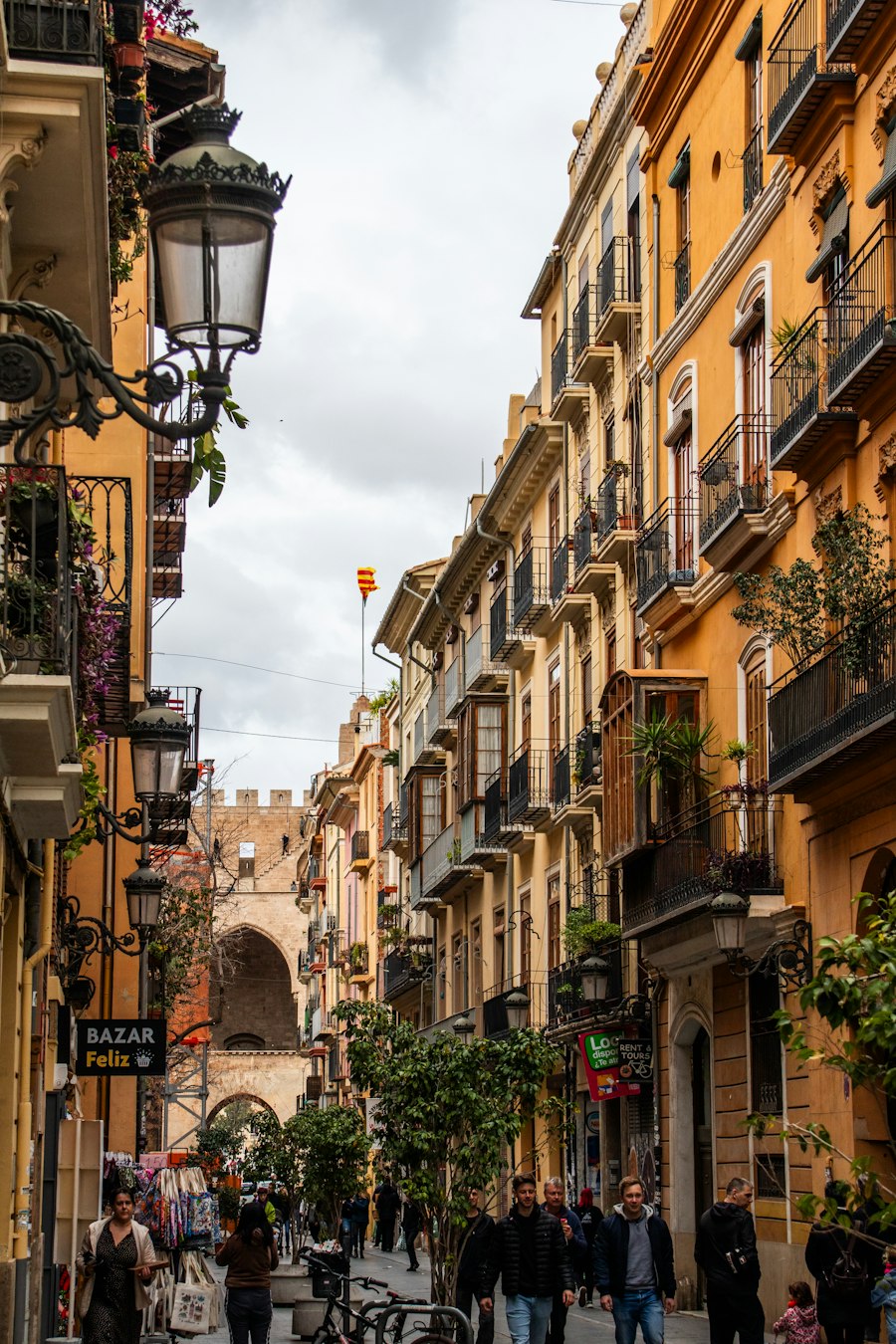
Montevideo curls along the Rio de la Plata with breezy ramblas, mate-fuelled plazas, conservative banking norms (BROU — Banco República, Uruguay's historic state bank), and mellow traffic compared with Buenos Aires pace — bilingual schools sprinkle Carrasco while tech startups cosy into Ciudad Vieja rehabilitations.
Action checklist
Concrete steps to make this move happen, in order.
Click any step to jump to that section ↓
- 1Most nationalities enter Uruguay visa-free for 90 days. If staying longer, register for temporary residency at the DNM (Dirección Nacional de Migración — Uruguay's immigration authority) within 90 days of arriving. The full process takes 12–18 months, but your presence in Uruguay is legal while it is being processed.
- 2Start your apartment search in Pocitos, Punta Carretas, or Carrasco — Montevideo's top family neighborhoods. Pocitos and Punta Carretas are walkable beachfront areas with the best bilingual schools nearby. A furnished 3-bedroom apartment runs ~$1,500–$2,500/month. Use MercadoLibre Uruguay and Gallito.uy to browse listings.
- 3Visit bilingual private schools in Pocitos and Punta Carretas 9–12 months before your move — most schools require an in-person tour and interview before accepting an application. International school options in Montevideo are limited compared to larger Latin American capitals.
- 4Apply for your cédula de identidad (Uruguay's official national ID card) at the DNIC (Dirección Nacional de Identificación Civil — Uruguay's civil registry) once your residency application is in progress — needed for banking, school enrollment, and utility contracts.
- 5Register at the BPS (Banco de Previsión Social — Uruguay's social security and health administration body) to access basic FONASA public health coverage. Most expat families supplement this with a mutualista — a private cooperative health clinic. CASMU and Médica Uruguaya are the two most recommended mutualistas for expat families.
- 6Open a Banco República (BROU — Uruguay's largest state bank) or Scotiabank Uruguay account. Uruguay has strong banking privacy laws and is very banking-friendly for foreigners. Bring your passport, proof of address, and any income documentation.
- 7Register with the DGI (Dirección General Impositiva — Uruguay's tax authority) to obtain your RUT (Registro Único Tributario — Uruguay's tax ID number) within the first month — needed for formal employment contracts, utility setups, and vehicle registration.
- 8Search for a nanny or nursery through Montevideo expat Facebook groups — local guarderías (nurseries) run ~$400–$700/month for a full-time spot. Qualified nannies cost ~$5–$8/hr. Quality is generally high and the local market is friendly to expat families.
Family fit
Great for
- Families seeking a safe, stable, and relatively affordable Latin American base with a mature and welcoming expat community
- Remote workers and digital nomads attracted to Uruguay's reliable internet infrastructure, stable institutions, and favorable tax treatment for foreign-sourced income
- Parents who value good public healthcare, low crime, and a relaxed coastal lifestyle — Punta del Este is 1.5 hours away
- Families considering Uruguayan permanent residency as a pathway to long-term Southern Cone stability
Watch out for
- Montevideo is more expensive than many people expect — food, imported goods, and school fees are significantly higher than Argentina or Colombia due to Uruguay's high import duties
- International school options are limited compared to Buenos Aires or Santiago — apply 12–18 months in advance for the best bilingual schools
- The city can feel slow-paced and somewhat provincial compared to Buenos Aires or Santiago — social life and cultural events are less active, particularly in the off-season
- Spanish is essential for daily life — English is not widely spoken outside of the business and expat communities; language preparation before arriving helps significantly
Climate & seasons
Monthly normals (2001–2020) · MERRA-2 (NASA POWER)
Rainy-day counts are approximate (from monthly rainfall).
- HottestJan · 31.5°Cmean daily high
- CoolestJul · 4.8°Cmean daily low
- WettestMar · 117.8 mmmonth total
- DriestMay · 84 mmmonth total
- Low
- 16.5°C
- Rain
- 102 mm
- Wet days
- ~8
- Low
- 16.7°C
- Rain
- 104.7 mm
- Wet days
- ~9
- Low
- 15.3°C
- Rain
- 117.8 mm
- Wet days
- ~10
- Low
- 11.8°C
- Rain
- 114.3 mm
- Wet days
- ~10
- Low
- 9.3°C
- Rain
- 84 mm
- Wet days
- ~7
- Low
- 6.1°C
- Rain
- 97.5 mm
- Wet days
- ~8
- Low
- 4.8°C
- Rain
- 91.8 mm
- Wet days
- ~8
- Low
- 5.8°C
- Rain
- 89.3 mm
- Wet days
- ~7
- Low
- 7.2°C
- Rain
- 96 mm
- Wet days
- ~8
- Low
- 9.4°C
- Rain
- 103.2 mm
- Wet days
- ~9
- Low
- 11.8°C
- Rain
- 96 mm
- Wet days
- ~8
- Low
- 14.3°C
- Rain
- 85.9 mm
- Wet days
- ~7
| Month | Typical high | Typical low | Rain (total) | Rainy days (~) |
|---|---|---|---|---|
| Jan | 31.5°C | 16.5°C | 102 mm | 8 |
| Feb | 30.7°C | 16.7°C | 104.7 mm | 9 |
| Mar | 28.5°C | 15.3°C | 117.8 mm | 10 |
| Apr | 25.2°C | 11.8°C | 114.3 mm | 10 |
| May | 21.1°C | 9.3°C | 84 mm | 7 |
| Jun | 18.5°C | 6.1°C | 97.5 mm | 8 |
| Jul | 17.9°C | 4.8°C | 91.8 mm | 8 |
| Aug | 20.2°C | 5.8°C | 89.3 mm | 7 |
| Sep | 21.1°C | 7.2°C | 96 mm | 8 |
| Oct | 24.1°C | 9.4°C | 103.2 mm | 9 |
| Nov | 27.2°C | 11.8°C | 96 mm | 8 |
| Dec | 29.8°C | 14.3°C | 85.9 mm | 7 |
Family notes
- Warmest month on average: Jan (mean daily high ~32°C); coolest: Jul (mean daily low ~5°C).
- Most rainfall on average: Mar (~118 mm total); driest: May (~84 mm).
These values are long-term monthly climatologies from NASA POWER (MERRA-2 reanalysis) for the nearest model grid cell to these coordinates — not a single city-centre weather station. Spatial resolution is about 50 km; coastal belts, hills, and dense urban cores can differ. Precipitation is corrected MERRA-2 rainfall; rainy-day counts are approximated from monthly totals.
Grid cell used: -34.903°, -56.188° (WGS84)
Visa options
Reviewed Apr 2026
Reviewed Apr 2026
Uruguay admits many passports visa-free with short stamped stays at port or airports through Migración officers. Retirement, reunificación familiar (family reunion), trabajo (work), and inversionista filings share similar police and birth-certificate dossiers coordinated by Migración Nacional.
Tap the ? next to a term for a quick definition.
Visitor / tourist admission
Private visits and tourism during the stamped period — not local employment without the correct permit.
Residency (work / family / investor / rentista)
Attorneys bundle FBI or national police clearance, marital documents, vaccination records (for minors), and income proof.
Short stay — tourism
- Search 'Uruguay turismo ingreso sin visa oficial' before booking tickets.
- Land border queues spike in summer — bring snacks for young children.
- Keep proof of accommodation when asked by immigration or carriers.
Residency pathways
- Rentistas show passive income affidavits; investors reference company bylaws notarised in Uruguay.
- Work routes need Contrato lodged with Dirección Nacional de Migración approvals.
- Search 'tramite residencia legal Uruguay Migracion oficial' quarterly — fees change silently.
Residency filings often start online with physical follow-up appointments in Montevideo — keep PDF receipts.
Residency & Registration
Reviewed Apr 2026
Reviewed Apr 2026
- Apply for Residencia Permanente (Uruguay Permanent Residency) through DNIC (Dirección Nacional de Identificación Civil — Uruguay's national civil registry) — bring apostilled birth certificates, criminal record certificate, and proof of income; processing takes 3–9 months
- While waiting, your cédula de identidad (temporary resident ID) serves as your main local ID — apply for this immediately when starting the residency process
- Obtain your RUT (Registro Único Tributario — Uruguay's tax ID number) from DGI (Dirección General Impositiva — Uruguay's tax authority) — required for employment contracts, bank accounts, and utilities
- Register your children at ANEP (Administración Nacional de Educación Pública — Uruguay's national education authority) or directly at the private school — apostilled birth certificates and prior school records are required
- BPS (Banco de Previsión Social — Uruguay's social security institute) enrollment is mandatory for all employees — your employer handles this for registered companies; it covers pension, healthcare, and parental leave contributions
Apply for permanent residency immediately upon arrival — Uruguay has one of the most accessible permanent residency programs in South America.
Banking
- Banco ITAÚ Uruguay and BBVA Uruguay are the most commonly used banks by expats — both offer USD accounts and accept resident documentation; bring your cédula de identidad (resident ID), proof of address, and income documentation
- Opening a bank account requires your cédula de residencia (temporary or permanent resident ID card) — plan for 4–8 weeks between arrival and account opening; use Wise or Revolut during the gap
- Wise supports UYU and is the standard tool for international transfers — USD received from abroad lands without the reporting requirements common in some other LatAm banking systems
- Most expats keep USD accounts for savings and UYU accounts for day-to-day expenses — Uruguayan banks offer both; USD account interest rates have been reasonable in recent years
- Cash (pesos) is commonly used at local markets and smaller restaurants — keep UYU 1,000–3,000 (~$25–$75) on hand; most restaurants and retail accept card payments
Uruguay's banking system is stable and offers accounts in both USD and UYU — accounts in USD are available and widely used by expats.
Housing
Pocitos and Punta Carretas are Montevideo's best family areas — walkable, safe, close to the Rio de la Plata beach, and with the best private bilingual schools nearby. A furnished 3-bedroom apartment runs ~$1,500–$2,500/month. Carrasco, 20 minutes east closer to the airport, is quieter with larger houses and gardens, popular with families who prefer more space.
Where to search
These are local rental platforms — this is where residents rent long-term housing (cheaper than Airbnb).
Search "Montevideo" or specific barrio names (Pocitos, Carrasco, Punta Carretas) inside each platform to filter local listings.
Tip: start with a furnished rental in Pocitos or Punta Carretas for the first 4–6 weeks — it is much easier to find a long-term lease once you are on the ground.
Typical monthly rents
- 1-bed apartment, Pocitos or Punta Carretas: ~$700–$1,100 / month
- 2-bed apartment, Pocitos rambla (waterfront): ~$1,300–$2,200 / month
- 3-bed apartment, Carrasco: ~$2,000–$3,500 / month
- 4-bed family house, Carrasco (near international schools): ~$2,800–$5,000 / month
- Short-stay serviced apartment (first 4–8 weeks): ~$1,500–$2,800 / month
Best areas for families
What you need to rent
- Valid passport plus your cédula uruguaya (Uruguayan ID) once issued
- Garantía (rental guarantee) — typically a bank guarantee, deposit, or contracted ANDA/Porto Seguro/BHU policy. Without one, landlords often require 6 months rent upfront
- 3 months of bank statements or an employment contract showing income
- 1 month deposit plus first month's rent is standard
- Standard rental contracts are 2 years — read the rescisión (early termination) clause before signing
Schools
Montevideo has a small but high-quality bilingual private school sector, primarily in the Pocitos, Punta Carretas, and Carrasco neighborhoods. Options are more limited than in Buenos Aires or Santiago — the city has no large international school with a dedicated expat enrollment pipeline, so families typically choose high-quality bilingual Uruguayan-curriculum schools.
Public system
Uruguay's public schools (escuelas públicas, administered by ANEP — Administración Nacional de Educación Pública) are free, secular, and conducted entirely in Spanish. Quality is solid by regional standards — Uruguay consistently ranks among South America's top education systems — but not designed for expat children arriving without Spanish.
International options
The few genuinely bilingual (Spanish-English) private schools are clustered in the Pocitos and Carrasco areas. Formal IB programs are limited — most families choose high-quality bilingual Uruguayan-curriculum schools, some of which offer Cambridge IGCSE (International General Certificate of Secondary Education) in the upper years. Annual fees: ~$5,000–$12,000/year.
Language notes
Instruction in private bilingual schools is split 50/50 Spanish and English. Uruguayan teachers are generally patient and experienced with non-Spanish-speaking children. Mandarin and French options exist at a small number of schools in Carrasco.
Most bilingual schools in Montevideo do not process applications online — you need an in-person tour and meeting with the principal before submitting. Plan a 3–5 day scouting trip 9–12 months before your intended move date.
Education options
Private bilingual schools (Pocitos, Punta Carretas, Carrasco)
Spanish-English bilingual instruction from primary level. Well-regarded for academic quality and small class sizes. Some offer Cambridge IGCSE in the upper years. Fees: ~$5,000–$12,000/year.
Public schools (escuelas públicas — free, Spanish-medium)
Free and academically solid — Uruguay's public education system is one of the best in South America. Conducted entirely in Spanish. Viable for young children (under 8) ready for full Spanish immersion, but not realistic for non-Spanish-speaking teenagers.
Childcare
Montevideo has a manageable childcare market — private bilingual jardines cover expat needs, and the domestic worker labor framework is straightforward.
Daycare & nurseries
- Licensed private jardines de infantes (nurseries) in Pocitos, Carrasco, and Punta Carretas charge UYU 22,000–45,000/month (~$550–$1,100) for full-day infant and toddler care
- CAIF (Centros de Atención a la Infancia y la Familia — Uruguay's state-subsidized early childhood centers) are free for eligible families — instruction is in Spanish; apply through INAU (Instituto del Niño y Adolescente del Uruguay)
- Visit 3–4 centers in person before enrolling — ask whether the center has a bilingual or English enrichment program, as availability varies significantly across Montevideo neighborhoods
Nanny & au pair
- Full-time live-out nanny rates in Montevideo run UYU 30,000–50,000/month (~$750–$1,250) — live-in domestic workers charge somewhat less but accommodation costs are additional
- Uruguay's Ley de Trabajo Doméstico (domestic work law) requires written contracts, BPS (Banco de Previsión Social — Uruguay's social security institute) enrollment, and an 8-hour work day — a local labor attorney sets this up correctly
- English-speaking nannies charge a premium and are found through expat community networks or through English-language schools that maintain referral lists
Where to find childcare
- Search "Expats in Montevideo" and "Montevideo Mums" on Facebook — active English-language communities for nanny referrals and childcare tips
- Gallito.com.uy (Uruguay's main classifieds site) has a domestic services section — filter by Pocitos and Carrasco for candidates in expat neighborhoods
- Word-of-mouth through parent networks at bilingual schools is the most reliable channel for trusted nanny recommendations in Montevideo
Healthcare
Reviewed Apr 2026
Reviewed Apr 2026
- Uruguay has a universal healthcare system — employees and their families access care through FONASA/IAMC mutualistas (member-owned healthcare cooperatives); the main ones used by expats are British Hospital, Médica Uruguaya, and CASMU
- British Hospital (Hospital Británico) is Montevideo's top facility for English-speaking families — pediatric departments, specialist services, and internationally accredited standards; located in Pocitos
- Monthly mutualista membership costs approximately UYU 2,500–4,500/month per person (~$60–$110) — significantly cheaper than private insurance in comparable countries and covers most routine care
- For complex specialist care not covered by mutualistas, international private medical insurance (IPMI) is recommended as a supplement — Cigna Global is widely used among Montevideo expats
- Uruguayan healthcare is generally high quality but has limited English-language services outside British Hospital — learn basic medical Spanish for routine appointments at other facilities
British Hospital (Hospital Británico) is the standard choice for English-speaking expat families — confirm your IPMI or mutualista plan covers it before registering.
Optional insurance option
Some families prefer to have private international medical coverage for the first period abroad. SafetyWing is one option to check if you want a flexible plan while relocating.
Check SafetyWingAlways confirm that any insurance you choose matches your visa, residency, and healthcare needs.
Safety
- Montevideo is one of the safest capitals in Latin America — violent crime rates are significantly lower than Buenos Aires, Santiago, or São Paulo; most expat families feel very comfortable in Pocitos, Carrasco, and Punta Carretas
- Petty theft (phone snatching, pickpocketing) is the most common security issue — be alert in Ciudad Vieja (the old city) and near bus terminals; keep phones in pockets and bags held close in crowded areas
- Bicycle theft along the rambla (Montevideo's iconic waterfront promenade) is occasional — use quality locks and avoid leaving bikes unattended for extended periods
- Montevideo has very little heavy traffic outside rush hour — traffic accidents are rare by regional standards; pedestrian crossings are generally respected, making it a walkable family city
- Mild weather and low natural disaster risk make Montevideo one of the safest family cities on environmental factors — occasional flooding in low-lying streets during heavy rain is the main weather concern
FAQ
Is Montevideo good for families?
Yes — Montevideo is one of Latin America's safest and most livable capitals for families. Low crime, good healthcare, and a relaxed atmosphere are the main draws. The trade-off is higher costs than most South American cities and a limited international school selection.
How much does a family typically need per month here?
A family of four renting a 3-bedroom apartment in Pocitos or Carrasco typically spends $3,500–$5,500/month all-in — one of the most affordable budgets in the region for a high quality of life.
Is housing hard to find here?
Rental inventory in Pocitos and Punta Carretas is reasonable — start searching 6 weeks before your move. Demand from digital nomads has increased but hasn't yet caused the shortages seen in Lisbon or Barcelona.
Do children need international school here, or can local schools work?
Most expat children attend private bilingual schools — the public system is entirely in Spanish. Apply 12–18 months in advance for the best bilingual options; the waitlists are real.
Is healthcare easy to access as a newcomer?
Yes — joining British Hospital or Médica Uruguaya as a mutualista member gives comprehensive coverage at a very reasonable monthly cost. The system is genuinely good for routine and preventive care.
Do you need a car in Montevideo?
Not necessarily — Montevideo's bus network covers most neighborhoods, and the city is compact and walkable in Pocitos and Punta Carretas. A car becomes useful for beach trips and Punta del Este weekends.
How difficult is the paperwork and bureaucracy after moving?
Uruguay is one of the easier LatAm countries for expat residency — permanent residency is accessible and processing is straightforward. The main gap is the 4–6 months between arrival and receiving your cédula de residencia.
What usually surprises families after arrival?
Most families are surprised by the cost of food and imported goods — Uruguay's import duties make supermarket staples noticeably more expensive than neighboring Argentina. The quality of the healthcare system also exceeds most newcomers' expectations.
Considering Montevideo alongside other cities?
Build a side-by-side report weighted to your family — budget fit, schools, visa paths, safety and lifestyle scored against your actual priorities.
- Match score per city
- Budget fit for your family
- Schools & visa paths
- Shareable + downloadable
Launch price · from$9$18· pay once
Only seriously considering Montevideo? Get a personalised single-city “Should we move here?” report — verdict, visa paths ranked for you, and a 90-day checklist. Launch price $7 $14.
Try the $7 reportCities you might also like
Other guides families considering Montevideo often look at next.

Sources
Official government, institutional, and public sources.
- Uruguay Migración official
- Montevideo Numbeo
- NASA POWER — Climatology API (methodology)
- MERRA-2 reanalysis (meteorological source)
Community
Expat groups and community forums. Use the search buttons below to find them.
Search Uruguay expats Facebook
Search: “Uruguay expats”Search on Google