Italy
Rome
Italy's capital — strong international school circuit, top public healthcare, and an EU passport-free move for European families
Family budget at a glance
The all-in range matches the FAQ answer for "How much does a family typically need per month here?" The other cards are single-line benchmarks — they don't add up to that total (school fees and other costs are separate).
All-in / month (family of 4)
~$5,500–$8,000 / month
3-bed family home
~$3,000 / month
Dinner for 2 (mid-range)
~$70
Nanny
~$15 / hr
Rome offers a high standard of living, an established international school sector, and Italy's free public healthcare system (SSN — Servizio Sanitario Nazionale) for residents. The trade-offs are slow Italian bureaucracy, summer heat, and one of Italy's tighter rental markets.
Explore more family guides in Italy →
Action checklist
Concrete steps to make this move happen, in order.
Click any step to jump to that section ↓
- 1Non-EU citizens: apply for your Permesso di Soggiorno (residence permit) at your local Questura (police headquarters) within 8 working days of arrival — bring your passport, visa, and accommodation details
- 2EU/EEA citizens: register your dichiarazione di residenza (address registration) at the Ufficio Anagrafe (civil registry office within your local Comune — city hall) within 90 days of arrival
- 3Get your Codice Fiscale (Italian tax code — required for everything: renting, banking, school enrolment, and healthcare) at any Agenzia delle Entrate (tax authority) office
- 4Start your housing search 8–10 weeks before your move — Rome's rental market is competitive, especially for family-sized apartments
- 5Apply to international schools 12–18 months before your planned start date — Rome's international schools have limited places and long waiting lists
- 6Register with your local ASL (Azienda Sanitaria Locale — local health authority) to access Italy's SSN (Servizio Sanitario Nazionale — public health system)
- 7Open an Italian bank account — Intesa Sanpaolo and UniCredit are the two largest banks with good English-language service
- 8Find a nanny or nursery as soon as your arrival date is confirmed — asili nido (public nurseries) have long waiting lists in Rome
Family fit
Great for
- Families relocating for diplomatic, government, NGO (FAO, WFP, IFAD), or international organisation roles
- EU/EEA families who want a low-friction move with no visa process — only a Codice Fiscale and address registration are required after arrival
- Parents who want access to an established international school circuit (IB, British, American) in a major European capital
- Families who value Mediterranean climate and proximity to Tuscany, the Amalfi coast, and the rest of Italy by high-speed rail
Watch out for
- Rome is expensive — rent in family neighbourhoods (Prati, Parioli, EUR) and international school fees are well above the Italian national average
- Italian bureaucracy is genuinely slow — the Permesso di Soggiorno (residence permit) and school registration processes require patience and preparation
- Roman summers (July–August) are very hot and humid and the city largely empties — not the best time to arrive
- Air quality dips in winter due to traffic and domestic heating; not as severe as northern Italy but families with asthma or young children should factor it in
Climate & seasons
Monthly normals (2001–2020) · MERRA-2 (NASA POWER)
Rainy-day counts are approximate (from monthly rainfall).
- HottestAug · 36.7°Cmean daily high
- CoolestJan · -1.8°Cmean daily low
- WettestNov · 114.3 mmmonth total
- DriestJul · 25.7 mmmonth total
- Low
- -1.8°C
- Rain
- 72.5 mm
- Wet days
- ~6
- Low
- -1.3°C
- Rain
- 76.4 mm
- Wet days
- ~6
- Low
- 0.3°C
- Rain
- 68.5 mm
- Wet days
- ~6
- Low
- 3.6°C
- Rain
- 56.4 mm
- Wet days
- ~5
- Low
- 8.3°C
- Rain
- 57 mm
- Wet days
- ~5
- Low
- 12.2°C
- Rain
- 34.2 mm
- Wet days
- ~3
- Low
- 16.2°C
- Rain
- 25.7 mm
- Wet days
- ~2
- Low
- 16.4°C
- Rain
- 26.3 mm
- Wet days
- ~2
- Low
- 11.7°C
- Rain
- 69.6 mm
- Wet days
- ~6
- Low
- 7.3°C
- Rain
- 81.8 mm
- Wet days
- ~7
- Low
- 2.2°C
- Rain
- 114.3 mm
- Wet days
- ~10
- Low
- -1.1°C
- Rain
- 91.5 mm
- Wet days
- ~8
| Month | Typical high | Typical low | Rain (total) | Rainy days (~) |
|---|---|---|---|---|
| Jan | 15.6°C | -1.8°C | 72.5 mm | 6 |
| Feb | 16.8°C | -1.3°C | 76.4 mm | 6 |
| Mar | 20.7°C | 0.3°C | 68.5 mm | 6 |
| Apr | 24.7°C | 3.6°C | 56.4 mm | 5 |
| May | 29.1°C | 8.3°C | 57 mm | 5 |
| Jun | 34.1°C | 12.2°C | 34.2 mm | 3 |
| Jul | 36.6°C | 16.2°C | 25.7 mm | 2 |
| Aug | 36.7°C | 16.4°C | 26.3 mm | 2 |
| Sep | 32.3°C | 11.7°C | 69.6 mm | 6 |
| Oct | 26.9°C | 7.3°C | 81.8 mm | 7 |
| Nov | 21.8°C | 2.2°C | 114.3 mm | 10 |
| Dec | 16.7°C | -1.1°C | 91.5 mm | 8 |
Family notes
- Warmest month on average: Aug (mean daily high ~37°C); coolest: Jan (mean daily low ~-2°C).
- Most rainfall on average: Nov (~114 mm total); driest: Jul (~26 mm).
- Mean daily highs reach about 32°C or more in Jun, Jul, Aug, Sep — plan air-conditioning, shade, and limited midday outdoor time for babies and young children.
- Peak months can average above 35°C for daily highs — schedule playgrounds, walks, and errands for mornings or evenings when possible.
- Winter nights can dip near freezing (Jan, Feb, Mar, Dec) — reliable home heating and warm layers for school commutes matter for children.
These values are long-term monthly climatologies from NASA POWER (MERRA-2 reanalysis) for the nearest model grid cell to these coordinates — not a single city-centre weather station. Spatial resolution is about 50 km; coastal belts, hills, and dense urban cores can differ. Precipitation is corrected MERRA-2 rainfall; rainy-day counts are approximated from monthly totals.
Grid cell used: 41.892°, 12.511° (WGS84)
Visa options
Reviewed Apr 2026
Reviewed Apr 2026
EU/EEA citizens move to Italy freely — only a Codice Fiscale and address registration are needed after arrival. Non-EU families need a D visa before travelling. Italy launched a Digital Nomad Visa in 2024 for non-EU remote workers earning at least $30,240/year.
Tap the ? next to a term for a quick definition.
EU / EEA citizens
Move freely to Italy with no visa. First steps after arrival: Codice Fiscale and dichiarazione di residenza.
Schengen Tourist (non-EU)
Valid for a scouting trip before committing to the move. No right to work, no extensions, cannot be converted to residency.
Italy Digital Nomad Visa (non-EU remote workers)
For non-EU remote workers earning at least $30,240/year from non-Italian employers or clients. Apply at an Italian consulate before travelling.
EU / EEA citizens — what to do after arriving in Rome
- No visa, permit, or income threshold required — EU/EEA passport holders have full freedom of movement in Italy.
- Get your Codice Fiscale (Italian tax code — a personal ID number required for every transaction: renting, banking, school enrolment, healthcare) at any Agenzia delle Entrate (tax authority) office within your first week. Bring your passport.
- Register your dichiarazione di residenza (address registration) at the Ufficio Anagrafe (civil registry office, part of your local Comune — city hall) within 90 days of arrival. Bring your passport, Codice Fiscale, and rental contract.
- After registering, apply for your SPID (Sistema Pubblico di Identità Digitale — Italy's digital identity for accessing government services online) — required for school registration and many public services.
- After 5 years of continuous legal residence, you can apply for a permanent EU residency permit.
Schengen Tourist — what it allows and what it does not
- 90 days maximum across the entire Schengen Area in any 180-day period.
- No right to work — this includes remote work for a foreign employer.
- Cannot be converted to residency from inside Italy — you must apply for a long-stay D visa at an Italian consulate in your home country before travelling.
- Good use: 2–3 weeks scouting Prati, Parioli, Trastevere, and EUR for schools, housing, and neighbourhoods.
- Do not attempt long-term stays on rolling tourist entries — Italian immigration enforces Schengen limits.
Italy Digital Nomad Visa — how to apply
- Income requirement: at least $30,240/year from remote employment or freelance work for non-Italian clients.
- Required documents: valid passport, proof of remote employment or freelance contracts, 3 months of bank statements, and private health insurance valid in Italy.
- Apply at the Italian consulate in your home country before travelling — you cannot switch to this visa from inside Italy on a tourist entry.
- After arriving, apply for your Permesso di Soggiorno (residence permit) at your local Questura (police headquarters) within 8 working days — bring your passport, visa, and rental contract.
- Get your Codice Fiscale (Italian tax code) at any Agenzia delle Entrate office immediately — required before you can rent a flat, open a bank account, or register children in school.
Book your Questura appointment to apply for your Permesso di Soggiorno (residence permit) immediately on arrival — slots in Rome fill quickly and delays risk overstaying your entry stamp.
Registration & Codice Fiscale
Reviewed Apr 2026
Reviewed Apr 2026
- Get your Codice Fiscale (Italian tax code — a personal ID number required for every transaction in Italy) at any Agenzia delle Entrate (tax authority) office. Bring your passport. Takes about 20 minutes and is issued on the spot.
- Register your dichiarazione di residenza (address registration) at the Ufficio Anagrafe (civil registry office within your Comune — city hall) within 90 days of arrival if you are EU/EEA. Bring your passport, Codice Fiscale, and rental contract.
- Non-EU residents must apply for a Permesso di Soggiorno (residence permit) at the local Questura (police headquarters) within 8 working days of arrival. Book an appointment immediately — slots in Rome fill up.
- Apply for your SPID (Sistema Pubblico di Identità Digitale — Italy's digital identity platform for public services) after registration — required for school enrolment, healthcare registration, and many online government services.
- Register with your local ASL (Azienda Sanitaria Locale — local health authority) to get your tessera sanitaria (health card) and access Italy's SSN (Servizio Sanitario Nazionale — public health system).
Get your Codice Fiscale within the first week — without it you cannot sign a rental contract, open a bank account, or register children in school.
Banking
- Intesa Sanpaolo and UniCredit are Italy's two largest banks and have the most accessible English-language service in Rome. Both are standard choices for expat families.
- To open an account you need: passport, Codice Fiscale, and proof of Italian address (rental contract or utility bill). Some branches require an appointment.
- N26 (Germany-based neobank) operates in Italy and is a good bridge option while waiting for a traditional account — open online with just a passport, no Italian address required initially.
- Wise and Revolut are widely used for international transfers and foreign currency spending while your Italian banking is being set up.
- Italy is more cash-reliant than northern European cities — keep $160–$215 in cash for markets, small restaurants, and taxis that do not accept cards.
You need your Codice Fiscale and proof of address before any Italian bank will open an account — get both sorted in week one.
Housing
Rome is one of Italy's most expensive rental markets. Family-friendly areas cluster in Prati, Parioli, Trieste-Salario, Aventino, Monteverde, EUR, and Flaminio — all within reach of international schools and the city centre.
Where to search
These are local rental platforms — this is where residents rent long-term housing (cheaper than Airbnb).
Search 'Roma' (Italian for Rome) or the neighbourhood name (e.g. 'Prati', 'Parioli', 'Monteverde') inside each platform to filter local listings.
Tip: arrive in Rome with a short-stay Airbnb or serviced apartment booked for the first 2–4 weeks — the rental market moves fast and you need time to view properties in person.
Typical monthly rents
- 1-bed apartment, Prati or Trastevere: ~$1,500–$2,050 / month
- 2-bed apartment, Parioli or Aventino: ~$2,150–$3,000 / month
- 3-bed apartment, Prati or Parioli: ~$2,600–$3,800 / month
- 3-bed apartment, EUR or Monteverde: ~$2,400–$3,450 / month
- Short-stay serviced apartment (first 4–8 weeks): ~$2,500–$4,000 / month
Best areas for families
What you need to rent
- Valid passport
- Codice Fiscale (Italian tax code — required on every rental contract)
- 3 months of bank statements or an Italian employment contract — landlords often ask for both
- 2–3 months deposit is standard in Rome (sometimes 3 months for international tenants without an Italian guarantor)
- Confirm contract type before signing — '4+4' (standard residential) or '3+2' (transitional) is normal; tourist contracts under 18 months do not give you residency rights
Schools
Rome has the widest choice of international schools in Italy after Milan. Most have limited places and require applications well in advance — plan 12–18 months ahead.
Public system
Italian state schools are free and well structured but all instruction is in Italian. State schools are a realistic option only if your children already speak Italian or you are willing to enrol them in an intensive Italian language programme first. Most expat families with English-speaking children use the international school circuit.
International options
Rome has a well-established international school sector with IB, British, American, and French curriculum schools. Most cluster in the northern and northwestern suburbs (Cassia, La Storta, Olgiata) and in the Parioli, EUR, and Trastevere areas. Fees range from roughly $11,000 to $27,000+ per year. Places are limited — apply early.
Language notes
Italian state schools teach entirely in Italian. International schools teach in English, with French and other languages also available at the larger schools. Children who attend state schools without prior Italian typically need 1–2 years to reach full academic fluency.
Apply to international schools before booking your flights — most Rome international schools have waitlists and do not reserve places without a completed application and supporting documents.
Education options
IB curriculum international schools
The primary choice for English-speaking expat families in Rome. IB Diploma and Primary Years Programme available. Limited places per year group — apply 12–18 months ahead.
British curriculum international schools
British A-Level and GCSE pathway schools with several long-established options in Rome's northern suburbs and central areas.
American curriculum international schools
US-style curriculum with AP courses. Popular with American diplomatic and corporate families. Concentrated in the northern suburbs.
Italian state schools
Free for all residents. All instruction is in Italian. A realistic option for families with children who already speak Italian or who plan a long-term stay and prioritise language integration.
Childcare
Rome has both public and private nursery options. Public asili nido (nurseries) are subsidised but heavily oversubscribed — private nurseries are more accessible but expensive.
Daycare & nurseries
- Asilo nido (nursery/daycare — Italian term for state-run or authorised nursery for children 0–3) accepts children from 3 months old. Public asili nido are subsidised but have long waiting lists in Rome — apply as soon as your arrival date is confirmed
- Private asilo nido fees: roughly $750–$1,300/month. Public asili nido fees are income-tested and significantly lower — but availability is limited
- Scuola dell'infanzia (Italian preschool for children 3–6) is free or very low cost in the state system — enrolment requires residency registration and a Codice Fiscale
- Visit nurseries in person before committing — quality varies significantly between private providers; ask about staff-to-child ratios and outdoor space
Nanny & au pair
- Full-time nannies (often called tata or babysitter) charge roughly $13–$19/hr in Rome — rates are higher than in southern Italy but lower than Milan
- Many nannies in Rome speak English, particularly those who have worked with diplomatic or expat families previously — ask specifically when searching
- Part-time nannies and after-school childcare (for school-age children) are common arrangements among expat families
- Start your nanny search at least 6–8 weeks before arrival — good candidates go quickly, particularly those with English language skills
Where to find childcare
- Babysits.com — international childcare platform with strong Italian listings used by expat families in Rome
- Tata.it and Bakeca.it — Italian classifieds widely used for nanny and tata listings in Rome
- Search 'Rome Expat Families' or 'Mamme Roma Expat' on Facebook — community groups for personal recommendations and nanny introductions
- Word of mouth through international schools and embassy/NGO communities — many of the best Rome nannies are found this way
Healthcare
Reviewed Apr 2026
Reviewed Apr 2026
- Italy's SSN (Servizio Sanitario Nazionale — public national health system) covers all registered residents including EU/EEA citizens and non-EU residents with a valid Permesso di Soggiorno (residence permit).
- Register with your local ASL (Azienda Sanitaria Locale — local health authority) after completing your residency registration. Bring your passport, Codice Fiscale, and proof of address. You will receive a tessera sanitaria (health card) and be assigned a GP.
- GP and specialist visits through the SSN require a small co-payment (called a ticket) of roughly $16–$45 per visit. Emergency care and hospitalisation are covered at no cost.
- Private healthcare is widely used in Rome for faster access and English-speaking doctors. A private GP consultation costs roughly $90–$160. International private medical insurance (IPMI — International Private Medical Insurance) is recommended for non-EU residents while awaiting SSN registration.
- Policlinico Universitario Agostino Gemelli is Rome's largest teaching hospital and a strong choice for adults. Ospedale Pediatrico Bambino Gesù — the Vatican-affiliated children's hospital — is one of Europe's leading paediatric centres and the default for serious child cases.
Register with your local ASL (Azienda Sanitaria Locale) within the first month — this activates your access to Italy's SSN (public health system) and assigns you a GP.
Optional insurance option
Some families prefer to have private international medical coverage for the first period abroad. SafetyWing is one option to check if you want a flexible plan while relocating.
Check SafetyWingAlways confirm that any insurance you choose matches your visa, residency, and healthcare needs.
Safety
- Violent crime is relatively rare in family residential areas — Prati, Parioli, Trieste-Salario, Aventino, and Monteverde are low-risk neighbourhoods for everyday family life
- Pickpocketing is the main daily risk — particularly around Roma Termini (the central rail station), the Vatican, the Colosseum, Trevi Fountain, and busy Metro lines A and B. Keep bags in front and phones out of back pockets
- Roman traffic is the primary daily hazard — driving culture is aggressive, scooters weave through stopped cars, and pedestrian crossings are not always respected. Teach children road awareness early
- Family residential neighbourhoods (Prati, Parioli, Aventino, Monteverde) are well-lit, active, and safe for evening walks with children
- Heat is a real summer hazard — July and August regularly hit 35°C+. Plan around midday heat with young children and avoid arriving during peak summer if possible
FAQ
Is Rome good for families?
Good — Rome offers a high standard of living, an established international school circuit, and Italy's free public healthcare system. The main trade-offs are high cost, summer heat, and notoriously slow Italian bureaucracy.
How much does a family typically need per month here?
Budget $5,500–$8,000/month for a family of four. Rent for a 3-bedroom in Prati, Parioli, or EUR runs $2,600–$3,800/month. International school fees of $13,000–$24,000/year are the largest additional cost.
Is housing hard to find here?
Yes — Rome has a tight rental market and family neighbourhoods (Prati, Parioli, Trastevere, Aventino, Monteverde) move fast. Italian landlords usually require a Codice Fiscale (Italian tax code) and proof of income before signing — hard to have as a new arrival. Budget for a furnished serviced apartment for the first 4–8 weeks while you search in person.
Do children need international school here, or can local schools work?
International school is recommended for non-Italian-speaking families. State schools are free but teach entirely in Italian. Rome has a strong international school sector at $13,000–$24,000/year. Many families use it for at least the first few years until children pick up Italian.
Is healthcare easy to access as a newcomer?
Yes, once you have your Codice Fiscale and residency. Register with the SSN (Servizio Sanitario Nazionale — Italy's public health system) at your local ASL (Azienda Sanitaria Locale — local health authority). Private health insurance at $100–$200/month per person speeds up specialist access.
Do you need a car in Rome?
Not in central or semi-central areas — Rome has Metro lines A, B, B1, and C plus extensive bus and tram coverage. Most families in Prati, Parioli, Trastevere, and Monteverde live car-free. A car is useful if you live in EUR or the northern suburbs (near international schools) and for weekend trips to the coast or Tuscany.
How difficult is the paperwork and bureaucracy after moving?
Slow and document-heavy. Start with your Codice Fiscale at any Agenzia delle Entrate (tax office). Then register your address at the Ufficio Anagrafe (civil registry, part of your Comune). Then apply for a Permesso di Soggiorno (residence permit) at the local Questura (police HQ) if non-EU. Italian bureaucracy is predictable but slow — allow 2–3 months for everything to resolve.
What usually surprises families after arrival?
How much summer changes the city — Rome empties in August and many shops, schools, and offices close or run reduced hours. How car-free family life can be in central neighbourhoods despite Italy's reputation. And how much cash culture lingers — keep a small wallet for markets, taxis, and small restaurants that prefer cash.
Considering Rome alongside other cities?
Build a side-by-side report weighted to your family — budget fit, schools, visa paths, safety and lifestyle scored against your actual priorities.
- Match score per city
- Budget fit for your family
- Schools & visa paths
- Shareable + downloadable
Launch price · from$9$18· pay once
Only seriously considering Rome? Get a personalised single-city “Should we move here?” report — verdict, visa paths ranked for you, and a 90-day checklist. Launch price $7 $14.
Try the $7 reportCities you might also like
Other guides families considering Rome often look at next.
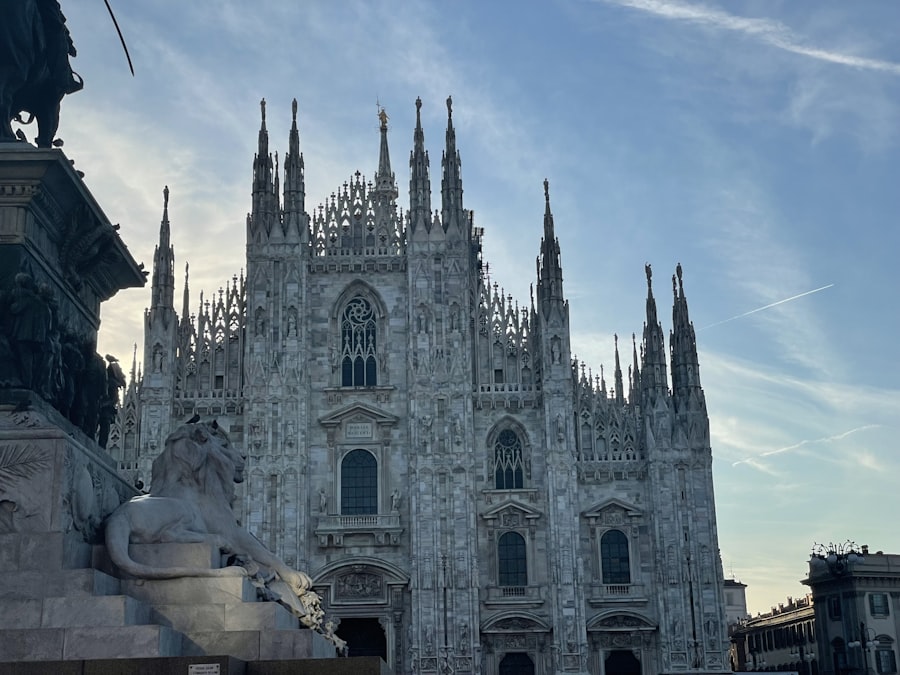
Milan
Italy
Italy's business capital — cosmopolitan, well-connected, and increasingly expat-friendly
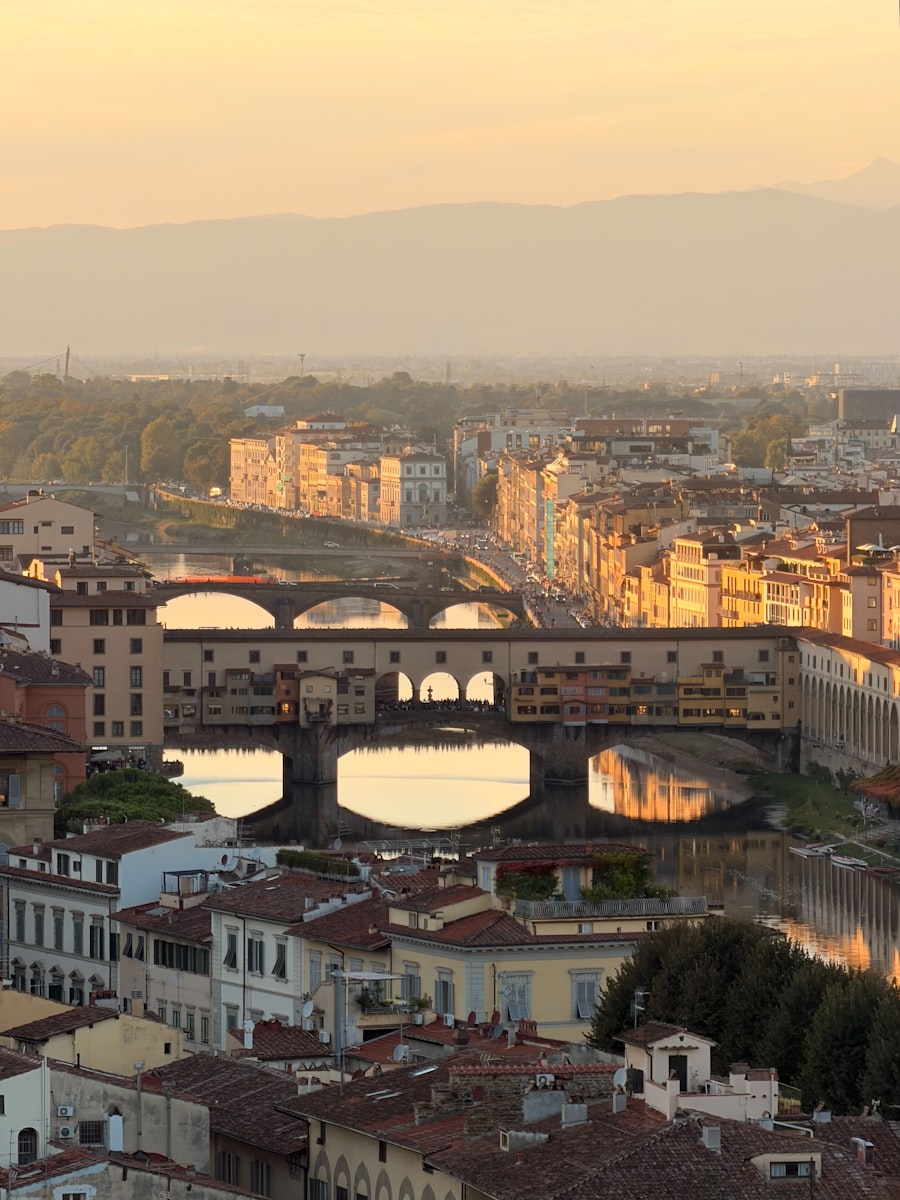
Florence
Italy
Renaissance beauty, slower pace, and a genuine quality of life — at a lower price than Milan
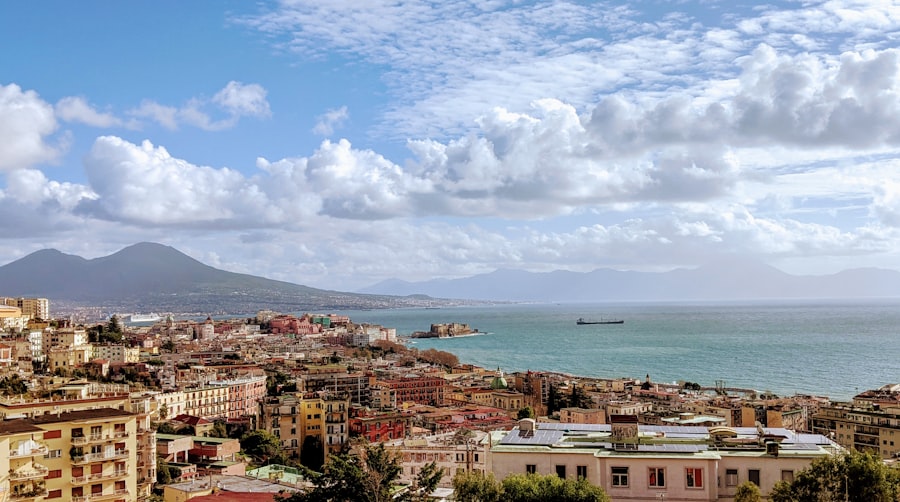
Naples
Italy
Southern Italy's largest city — strong family neighbourhoods on the bay, a growing international school sector, and lower costs than Rome or Milan
Sources
Official government, institutional, and public sources.
Community
Expat groups and community forums. Use the search buttons below to find them.
Search 'Rome Expats' or 'Expat Family Rome Italy' on Facebook — active community with housing, school, and settlement advice
Search: “Rome Expats Facebook group”Search on GoogleSearch 'Mamme Roma Expat' on Facebook — Rome-based parent group with on-the-ground advice from international families
Search: “Mamme Roma Expat Facebook”Search on Google