Israel
Jerusalem
Historic highland city — diverse neighbourhoods and a distinct pace from Tel Aviv
Family budget at a glance
The all-in range matches the FAQ answer for "How much does a family typically need per month here?" The other cards are single-line benchmarks — they don't add up to that total (school fees and other costs are separate).
All-in / month (family of 4)
~$7,000–$10,500 / month
3-bed family home
~$2,800 / month
Dinner for 2 (mid-range)
~$70
Nanny
~$14 / hr
Jerusalem is Israel's highland capital in the Judean hills — cooler evenings than the coast, deep historical layers, and a mix of secular, religious, and international communities. Families come for NGOs, government, tech and health roles, and bilingual schooling in pockets. Trade-offs are polarised housing markets by neighbourhood, complex geography, and the same national security awareness and bureaucracy as elsewhere in Israel. This page is the city people search for — not a suburb of Tel Aviv.
Explore more family guides in Israel →
Action checklist
Concrete steps to make this move happen, in order.
Click any step to jump to that section ↓
- 1Check entry and visa rules — short visits are often visa-free for Western passports; long-term work usually needs a B/1 employer-sponsored visa
- 2Start housing early — Anglo-friendly pockets (German Colony, Arnona, Katamon, Baka) turn over quickly
- 3Apply for Mispar Zehut (מספר זהות — Israeli ID number) at the Ministry of Interior — required for healthcare, banking, and schools
- 4Short-list international and Anglo-friendly schools before signing a lease — hill geography in Jerusalem means school commutes vary sharply by neighborhood. The German Colony and Katamon areas have the shortest school runs.
- 5Join a Kupat Holim (קופת חולים — public health fund) once eligible after registration
- 6Open an Israeli bank account (Bank Hapoalim, Bank Leumi, or Bank Discount) — bring your visa, lease agreement, and employment contract. Allow 2–4 weeks as paperwork moves slowly; use Wise or Revolut for international transfers in the meantime.
- 7Download national alert apps and learn shelter locations — preparedness is part of daily life
- 8Review your home government's current travel advisory for Jerusalem before committing to dates — the security situation can affect school schedules and neighborhood access. Download the Home Front Command (Pikud HaOref) emergency alert app on arrival.
Family fit
Great for
- Families tied to government, diplomacy, NGOs, health, or education in the capital
- Parents wanting hill-city weather versus coastal humidity
- Households prepared for Israel's administrative and security context
- Those who value tight community within walkable pockets
Watch out for
- Neighbourhood choice is socially and practically consequential — research on the ground
- Shabbat and holiday rhythms affect services and transport
- Parking and steep streets punish the wrong flat
- Some specialist care still means a coastal corridor visit
Climate & seasons
Monthly normals (2001–2020) · MERRA-2 (NASA POWER)
Rainy-day counts are approximate (from monthly rainfall).
- HottestJun · 38°Cmean daily high
- CoolestJan · 3.3°Cmean daily low
- WettestJan · 87.7 mmmonth total
- DriestAug · 0.3 mmmonth total
- Low
- 3.3°C
- Rain
- 87.7 mm
- Wet days
- ~7
- Low
- 4.1°C
- Rain
- 61 mm
- Wet days
- ~5
- Low
- 6°C
- Rain
- 36.9 mm
- Wet days
- ~3
- Low
- 8.5°C
- Rain
- 20.7 mm
- Wet days
- ~2
- Low
- 12.1°C
- Rain
- 5 mm
- Wet days
- ~1
- Low
- 16.2°C
- Rain
- 0.6 mm
- Wet days
- ~1
- Low
- 19.4°C
- Rain
- 0.9 mm
- Wet days
- ~1
- Low
- 20.5°C
- Rain
- 0.3 mm
- Wet days
- ~1
- Low
- 18.6°C
- Rain
- 1.5 mm
- Wet days
- ~1
- Low
- 14.9°C
- Rain
- 14 mm
- Wet days
- ~1
- Low
- 8.8°C
- Rain
- 45.6 mm
- Wet days
- ~4
- Low
- 5.2°C
- Rain
- 83.1 mm
- Wet days
- ~7
| Month | Typical high | Typical low | Rain (total) | Rainy days (~) |
|---|---|---|---|---|
| Jan | 22°C | 3.3°C | 87.7 mm | 7 |
| Feb | 25.2°C | 4.1°C | 61 mm | 5 |
| Mar | 29.1°C | 6°C | 36.9 mm | 3 |
| Apr | 33.8°C | 8.5°C | 20.7 mm | 2 |
| May | 37.5°C | 12.1°C | 5 mm | 1 |
| Jun | 38°C | 16.2°C | 0.6 mm | 1 |
| Jul | 37.8°C | 19.4°C | 0.9 mm | 1 |
| Aug | 37.5°C | 20.5°C | 0.3 mm | 1 |
| Sep | 37.3°C | 18.6°C | 1.5 mm | 1 |
| Oct | 35.8°C | 14.9°C | 14 mm | 1 |
| Nov | 30°C | 8.8°C | 45.6 mm | 4 |
| Dec | 24.6°C | 5.2°C | 83.1 mm | 7 |
Family notes
- Warmest month on average: Jun (mean daily high ~38°C); coolest: Jan (mean daily low ~3°C).
- Most rainfall on average: Jan (~88 mm total); driest: Aug (~0 mm).
- Mean daily highs reach about 32°C or more in Apr, May, Jun, Jul, Aug, Sep, Oct — plan air-conditioning, shade, and limited midday outdoor time for babies and young children.
- Peak months can average above 35°C for daily highs — schedule playgrounds, walks, and errands for mornings or evenings when possible.
These values are long-term monthly climatologies from NASA POWER (MERRA-2 reanalysis) for the nearest model grid cell to these coordinates — not a single city-centre weather station. Spatial resolution is about 50 km; coastal belts, hills, and dense urban cores can differ. Precipitation is corrected MERRA-2 rainfall; rainy-day counts are approximated from monthly totals.
Grid cell used: 31.769°, 35.216° (WGS84)
Visa options
Reviewed Apr 2026
Reviewed Apr 2026
Most Western passport holders enter visa-free for short visits. Long-term work normally requires a B/1 visa sponsored by an Israeli employer; some families qualify under the Law of Return — confirm with official sources.
Tap the ? next to a term for a quick definition.
Visa-free entry (short visit)
Tourism and scouting — not work authorisation.
B/1 work visa (employer-sponsored)
Main salaried route — employer coordinates work-permit steps.
Visa-free entry — scouting Jerusalem
- Verify rules for every family member before flying.
- No Israeli employment on a tourist status.
- Use the trip to view neighbourhoods and schools.
- Search 'Israel visa Ministry of Foreign Affairs' on Google for updates.
B/1 work visa — employer-sponsored
- Your employer works with Israeli authorities before consulate application.
- Expect passport, contract, insurance, and background documents in the bundle.
- Dependants usually receive linked permits without independent work rights.
- Search 'Israel B1 work visa Population Immigration' on Google for the current checklist.
Start employer sponsorship early — processing often takes months.
Residency & Mispar Zehut
Reviewed Apr 2026
Reviewed Apr 2026
- Mispar Zehut (מספר זהות — Israeli ID number) unlocks Kupat Holim, banks, and schools.
- School placement follows address and track — register with local authorities once your lease is fixed.
- Arnona (municipal tax) and utilities tie to your registered address.
- If eligible under the Law of Return, explore Aliyah separately from employer visas.
Hebrew-only queues are common — bring a fluent helper for first visits.
Banking
- Bank Hapoalim, Bank Leumi, and Israel Discount Bank are the three most common retail banks used by Jerusalem expats — all have English-speaking staff at their Jerusalem city center branches.
- Passport, visa, Mispar Zehut (or interim letter), and lease are typical.
- Wise or Revolut bridges incoming foreign income while your Israeli bank account completes its initial review period — Israeli banks routinely impose a 1–3 month restriction on large foreign transfers for new customers.
- Rent and schools usually need local IBAN payments within weeks.
Book branch appointments — walk-ins often fail.
Housing
Secular international families often concentrate in the German Colony, Baka, Katamon, and Arnona belt — expect hills, small gardens, and competitive listings.
Where to search
Israeli classifieds dominate serious long-term searches.
Search neighbourhood names, not only the city label, to match school runs.
Tip: test Friday traffic and school-hour hills before signing.
Typical monthly rents
- 2-bed apartment, Katamon or Baka: ~$1,800–$2,600/month
- 3-bed apartment, German Colony: ~$2,400–$3,600/month
- 3-bed apartment, Arnona: ~$2,200–$3,200/month
- 4-bed home, perimeter neighbourhoods: ~$3,000–$4,500/month
Best areas for families
What you need to rent
- Passport and visa
- Mispar Zehut or proof it is pending
- Local guarantor or bank guarantee — common
- Roughly three months of income proof
- Deposit often 2–3 months
Schools
Hebrew public schools, religious tracks, and a smaller English-medium sector than Tel Aviv — align housing with school choice.
Public system
State schools are free; instruction is Hebrew-first. Newcomers outside early primary usually need language support.
International options
English-medium and bilingual programmes exist but are thinner than Tel Aviv — fees and waitlists vary.
Language notes
Hebrew dominates; English clusters in specific schools and communities. Tutoring is common.
Visit during term time if you can — workload and culture differ by track.
Education options
English-medium international / bilingual programmes
Smaller class sizes and strong pastoral care — verify school bus routes from your specific ridge or neighborhood before enrolling, as Jerusalem's hilly geography creates significant commute variation between areas.
Hebrew public with integration support
Best fit for younger children new to Hebrew — flexible learning pace with bilingual tutoring support often included, and smoother integration into the Israeli school system for long-stay families.
Religious state tracks
Dominant in parts of the city — match expectations before housing.
Childcare
Maon (מעון) nurseries, municipal options, and nannies — Hebrew-first hiring.
Daycare & nurseries
- Private maon spots cost roughly ~$800–$1,400/month depending on hours.
- Queues appear in Anglo-heavy postcodes — start before arrival if possible.
- Subsidy schemes exist — verify eligibility on official Hebrew portals via search.
Nanny & au pair
- Sitters roughly ~$12–$20/hr.
- Full-time live-out often ~$1,800–$3,000/month.
- Parent WhatsApp groups are the usual hiring channel.
Where to find childcare
- Search 'Jerusalem Anglo Parents' or 'Olim Families Jerusalem' on Facebook — active English-speaking community with nanny referrals
- Local parent WhatsApp groups are the primary hiring channel in Jerusalem — ask at Anglo-friendly synagogues and English-language preschools (Gan Yeladim) for invitations
- Israeli relocation agencies — most maintain a vetted childcare referral list for incoming Anglo families (Nefesh B'Nefesh keeps an updated list of trusted local providers)
Healthcare
Reviewed Apr 2026
Reviewed Apr 2026
- Four Kupat Holim funds run public coverage after registration.
- Hadassah Medical Center (Ein Kerem campus) and Shaare Zedek Medical Center are Jerusalem's two major hospital anchors — both have English-speaking departments and strong English-language pediatric units.
- Private paediatric clinics cluster near family neighbourhoods.
- Pharmacies are widespread; brand names may differ from your home country.
- Complex cases may route to coastal specialists — plan transport.
Keep IPMI until Kupat Holim is active.
Optional insurance option
Some families prefer to have private international medical coverage for the first period abroad. SafetyWing is one option to check if you want a flexible plan while relocating.
Check SafetyWingAlways confirm that any insurance you choose matches your visa, residency, and healthcare needs.
Safety
- Petty theft exists in the busy Old City quarters and tourist markets — use normal urban awareness, keep valuables secured in bags, and be especially careful in the Armenian and Muslim quarters during peak hours.
- National security alerts occasionally affect school schedules and public transport — install the Pikud HaOref (Home Front Command) official alert app and follow your school's written emergency protocol from day one.
- Jerusalem's hilly road network and steep school run routes require extra care in wet winter weather — identify your alternative routes before the first rainy season (November–March) and allow extra journey time.
- Walk your target streets and neighborhood at evening before committing to a lease — some Jerusalem blocks feel very different after dark, particularly near the light rail stations and the city center.
- Summer heat (July–August) and Sharav dusty hamsin events affect outdoor air quality — plan indoor activities for children on the hottest afternoons and monitor daily conditions via the Environmental Protection Ministry app.
FAQ
Is Jerusalem good for families?
Yes for families aligned with capital-sector work and bilingual tracks — trade-offs are neighbourhood sensitivity, Friday rhythm, and security awareness.
How much does a family typically need per month here?
Roughly $7,000–$10,500/month all-in is typical before private-school premiums — schooling and ridge choice swing it.
Is housing hard to find here?
Anglo pockets move fast — budget viewings and guarantor paperwork early.
Do children need international school here, or can local schools work?
Hebrew integration works best for younger kids; English programmes are tighter than Tel Aviv — read Schools honestly.
Is healthcare easy to access as a newcomer?
Strong once Kupat Holim registers — bridge with private insurance first.
Do you need a car in Jerusalem?
Often yes for ridge-to-ridge school runs; some walkable pockets exist near light rail.
How difficult is the paperwork and bureaucracy after moving?
Hebrew paperwork and queues — hire help for week one if you can.
What usually surprises families after arrival?
How much topography changes daily logistics — test commutes before you lease.
Considering Jerusalem alongside other cities?
Build a side-by-side report weighted to your family — budget fit, schools, visa paths, safety and lifestyle scored against your actual priorities.
- Match score per city
- Budget fit for your family
- Schools & visa paths
- Shareable + downloadable
Launch price · from$9$18· pay once
Only seriously considering Jerusalem? Get a personalised single-city “Should we move here?” report — verdict, visa paths ranked for you, and a 90-day checklist. Launch price $7 $14.
Try the $7 reportCities you might also like
Other guides families considering Jerusalem often look at next.
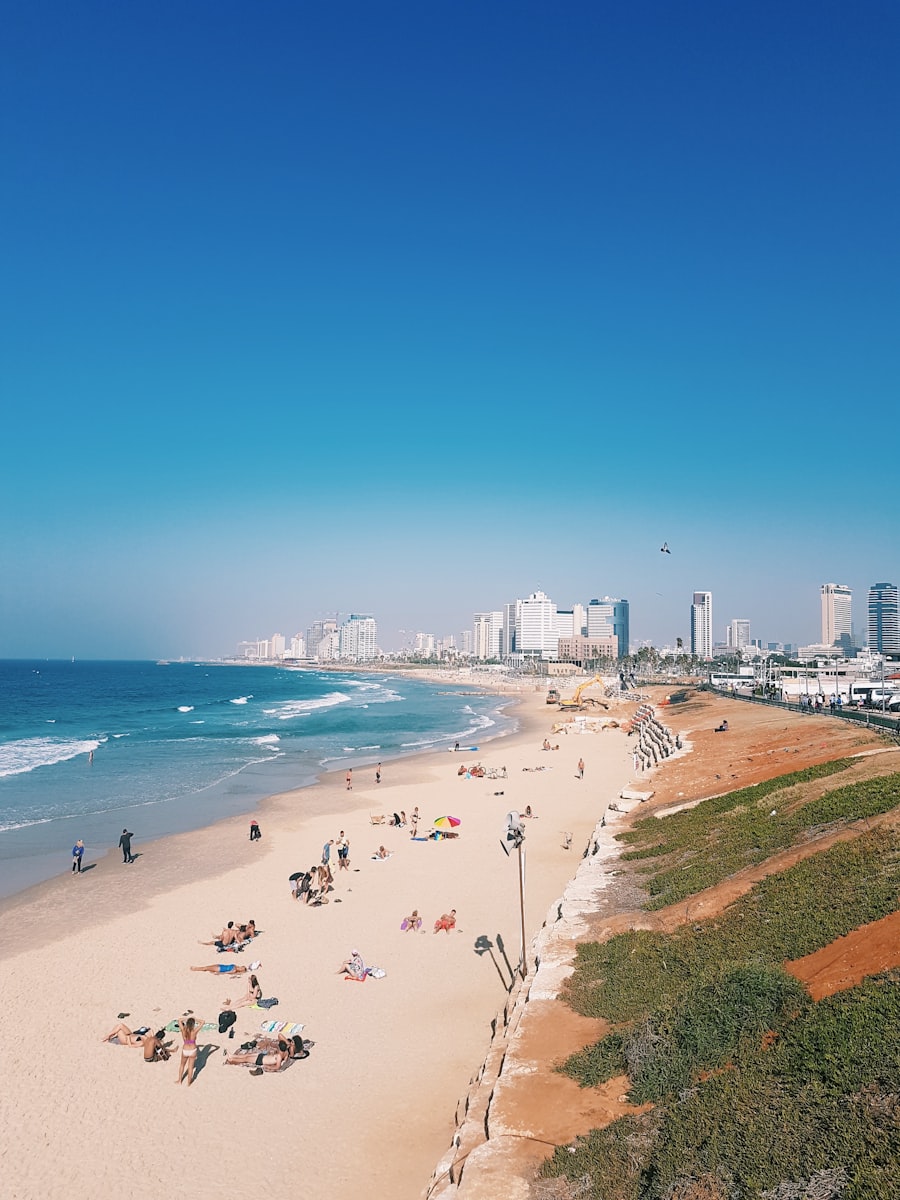
Tel Aviv
Israel
Vibrant tech hub with a Mediterranean beach lifestyle and a unique security context
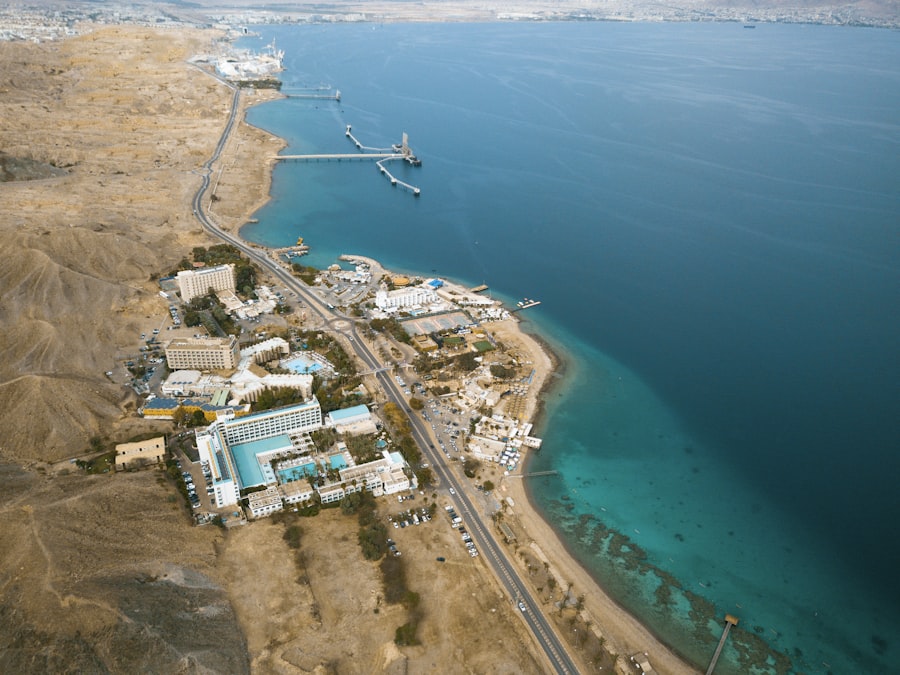
Eilat
Israel
Red Sea resort city — desert heat, compact living, and a slower pace than central Israel
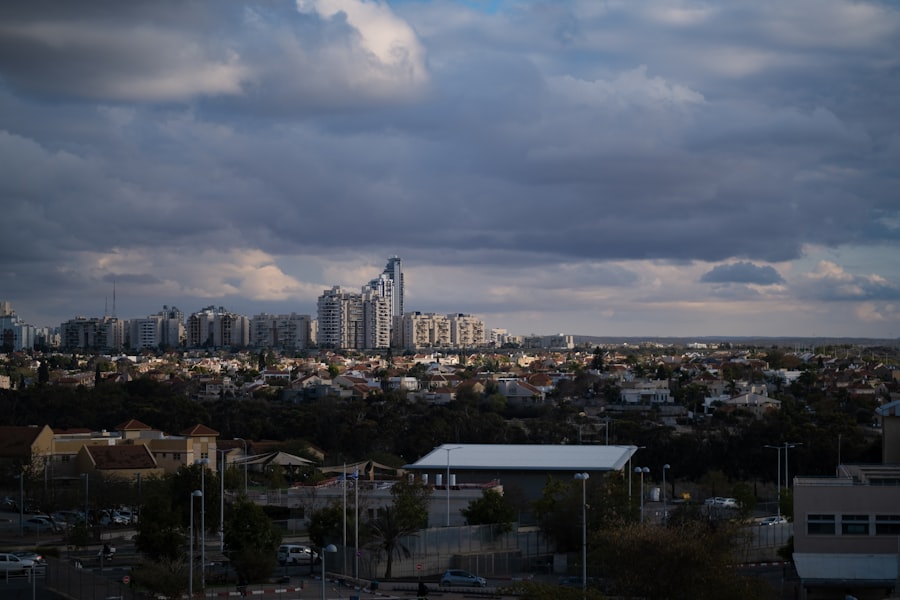
Beer Sheva
Israel
The capital of the Negev — Israel's most affordable big city, anchored by a major university and a growing tech and cyber scene
Sources
Official government, institutional, and public sources.
Community
Expat groups and community forums. Use the search buttons below to find them.
Search 'Jerusalem Anglo parents' on Google
Search: “Jerusalem Anglo parents Facebook”Search on GoogleSearch 'Olim Jerusalem' on Google
Search: “Olim Jerusalem families Facebook”Search on Google