India
Mumbai
Maximum City — film, finance, and monsoon energy
Family budget at a glance
The all-in range matches the FAQ answer for "How much does a family typically need per month here?" The other cards are single-line benchmarks — they don't add up to that total (school fees and other costs are separate).
All-in / month (family of 4)
~$5,500–$8,500 / month
3-bed family home
~$2,800 / month
Dinner for 2 (mid-range)
~$40
Nanny
~$7 / hr
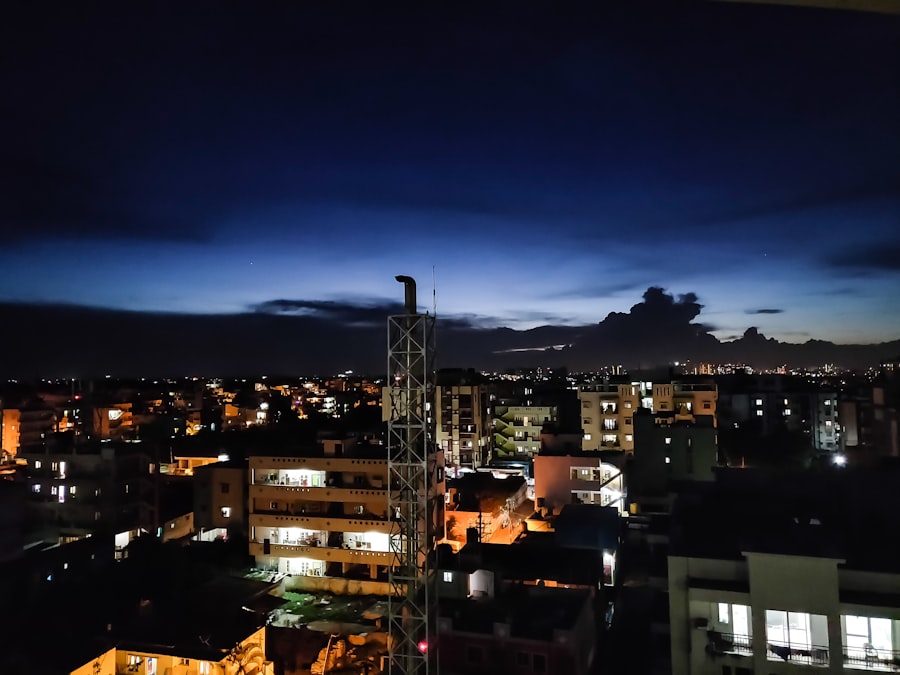
Mumbai (still called Bombay conversationally by some older residents) compresses Bollywood production houses, Reserve Bank policy adjacency, and dense coastal humidity — Bandra family towers contrast Navi Mumbai planned townships while households decode Maharashtra state board options plus monsoon transport chaos.
Explore more family guides in India →
Action checklist
Concrete steps to make this move happen, in order.
Click any step to jump to that section ↓
- 1Apply for an India Employment Visa at your nearest Indian consulate — tourist visas do not permit working. Bring your employment contract, company registration documents, and degree certificates. Processing typically takes 3–7 business days.
- 2Start your apartment search in Bandra West, Powai, or Hiranandani Gardens (Powai) — Mumbai's top family and expat neighborhoods. A furnished 3-bedroom in Bandra or Powai runs ~$2,500–$4,500/month. Book a serviced apartment for the first 2–3 weeks while you search in person.
- 3Apply to international schools in Bandra, Powai, or Andheri 12 months before your move — enrollment for the June intake closes by January. IGCSE and IB schools in Bandra have the longest waitlists.
- 4Register at the FRRO (Foreigners Regional Registration Office — the government body that handles visa registration and extensions for all foreigners in India) within 14 days of arriving. Bring: passport, visa, employment contract, landlord's property documents, and passport photos.
- 5Arrange comprehensive international health insurance (IPMI) before arriving. Kokilaben Dhirubhai Ambani Hospital in Andheri West and Lilavati Hospital in Bandra are Mumbai's top English-speaking private hospitals for families.
- 6Open an HDFC Bank or Citibank account — both have branches experienced with expat accounts in Bandra and Powai. Bring your Employment Visa, FRRO registration receipt, and a letter from your employer. Wise works well for international transfers while your account processes.
- 7Choose your neighborhood based on your child's school bus route — Mumbai traffic makes even a 15km commute across the western suburbs a 90-minute journey. Most expat families pick housing specifically to be within the school's bus zone.
- 8Mumbai's monsoon (June–September) brings severe flooding on many roads — ask your landlord specifically about flood history for the street and building garage before signing. Confirm the building has a diesel generator for power cuts during heavy rain.
Family fit
Great for
- Finance, media, and entertainment executives — Mumbai is India's financial capital and home to the BSE, major banking firms, consulting companies, and Bollywood
- Families who want India's best urban infrastructure, vibrant dining scene, and maximum cultural diversity concentrated in one city
- Parents with access to good expat packages — Mumbai's high rents and school fees are most manageable when offset by a housing and education allowance
- Families with an appetite for cosmopolitan city life — Mumbai has direct flights to the Middle East, Europe, and Southeast Asia
Watch out for
- Mumbai is one of the most expensive cities in India — rent in expat areas (Bandra, Juhu, BKC) is significantly higher than Bengaluru, Pune, or Chennai; budget realistically
- Monsoon season (June–September) is intense — flooding, power outages, and transport disruptions are common; these require practical preparation and a different mindset than most cities
- International school application timelines are very long — top schools like Dhirubhai Ambani International and JBCN International require applications 12–18 months in advance with real waitlists
- Traffic and distance are the most significant quality-of-life factors — Mumbai's narrow peninsula creates severe congestion; living within 3–4 km of work and school is essential
Climate & seasons
Monthly normals (2001–2020) · MERRA-2 (NASA POWER)
Rainy-day counts are approximate (from monthly rainfall).
- HottestApr · 42.8°Cmean daily high
- CoolestJan · 12.6°Cmean daily low
- WettestJul · 833.9 mmmonth total
- DriestJan · 0.3 mmmonth total
- Low
- 12.6°C
- Rain
- 0.3 mm
- Wet days
- ~1
- Low
- 14.7°C
- Rain
- 2.2 mm
- Wet days
- ~1
- Low
- 18°C
- Rain
- 4.6 mm
- Wet days
- ~1
- Low
- 21.2°C
- Rain
- 2.7 mm
- Wet days
- ~1
- Low
- 24.3°C
- Rain
- 21.7 mm
- Wet days
- ~2
- Low
- 25.1°C
- Rain
- 534.9 mm
- Wet days
- ~30
- Low
- 24.3°C
- Rain
- 833.9 mm
- Wet days
- ~31
- Low
- 23.6°C
- Rain
- 606.1 mm
- Wet days
- ~31
- Low
- 22.5°C
- Rain
- 376.2 mm
- Wet days
- ~30
- Low
- 18.5°C
- Rain
- 104.2 mm
- Wet days
- ~9
- Low
- 16.3°C
- Rain
- 17.1 mm
- Wet days
- ~1
- Low
- 13.8°C
- Rain
- 4.6 mm
- Wet days
- ~1
| Month | Typical high | Typical low | Rain (total) | Rainy days (~) |
|---|---|---|---|---|
| Jan | 35.5°C | 12.6°C | 0.3 mm | 1 |
| Feb | 39.1°C | 14.7°C | 2.2 mm | 1 |
| Mar | 42.3°C | 18°C | 4.6 mm | 1 |
| Apr | 42.8°C | 21.2°C | 2.7 mm | 1 |
| May | 41.4°C | 24.3°C | 21.7 mm | 2 |
| Jun | 37.1°C | 25.1°C | 534.9 mm | 30 |
| Jul | 30.4°C | 24.3°C | 833.9 mm | 31 |
| Aug | 29.6°C | 23.6°C | 606.1 mm | 31 |
| Sep | 32.1°C | 22.5°C | 376.2 mm | 30 |
| Oct | 33.4°C | 18.5°C | 104.2 mm | 9 |
| Nov | 32.9°C | 16.3°C | 17.1 mm | 1 |
| Dec | 33.2°C | 13.8°C | 4.6 mm | 1 |
Family notes
- Warmest month on average: Apr (mean daily high ~43°C); coolest: Jan (mean daily low ~13°C).
- Most rainfall on average: Jul (~834 mm total); driest: Jan (~0 mm).
- Mean daily highs reach about 32°C or more in Jan, Feb, Mar, Apr, May, Jun, Sep, Oct, Nov, Dec — plan air-conditioning, shade, and limited midday outdoor time for babies and young children.
- Peak months can average above 35°C for daily highs — schedule playgrounds, walks, and errands for mornings or evenings when possible.
- Very wet months mean waterproofs, covered waiting at school pickup, and extra room to dry uniforms and shoes.
These values are long-term monthly climatologies from NASA POWER (MERRA-2 reanalysis) for the nearest model grid cell to these coordinates — not a single city-centre weather station. Spatial resolution is about 50 km; coastal belts, hills, and dense urban cores can differ. Precipitation is corrected MERRA-2 rainfall; rainy-day counts are approximated from monthly totals.
Grid cell used: 19.073°, 72.883° (WGS84)
Visa options
Reviewed Apr 2026
Reviewed Apr 2026
Most inbound travellers rely on India's e-visas or consular visas with fixed stay durations printed electronically. Employers pursue Employment (E-type) visas and FRRO/FRO registrations (foreigner regional registration offices) after landing. India's rules tighten often — screenshots from the Ministry of Home Affairs ICA site win arguments with landlords.
Tap the ? next to a term for a quick definition.
E-visa / tourist or business visa
Private visits and sanctioned business trips — not payroll without correct employment stamping.
Employment / long-term residence
HR coordinates Ministry of Labour filings, PIO cards for heritage cases, dependant linkage forms, lease FRRO affidavits, and biometric capture slots.
Short visits
- Only use India's official Visa Online government channels or embassy appointments — avoid clone sites charging fake fees.
- Carry vaccination print-outs if onward domestic flights ask.
- Search 'Indian immigration visa bulletin official MOHA' quarterly — reciprocal changes happen fast.
- Good scouting use: touring schools — long-term placements need FRRO-aligned residency proofs.
Employment and dependent routes
- Aadhaar (India's biometric ID) may stay unavailable early — landlords often accept passports plus FRRO slip copies.
- Children need student visa swaps if switching to CBSE-heavy schools — registrar offices scrutinise affidavits.
- Domestic helpers require separate PIO/OCI nuances — payroll compliance via specialised firms avoids fines.
- Search 'FRRO india registration employment visa official' weekly during monsoon bureaucracy peaks.
Register at the nearest FRRO (Foreigners Regional Registration Office) within deadlines printed on visas — overstaying risks fines.
FRRO Registration & Indian IDs
Reviewed Apr 2026
Reviewed Apr 2026
- Register with the FRRO (Foreigners Regional Registration Office — India's authority for foreigner registration) within 14 days of arrival at indianfrro.gov.in — bring passport, visa, proof of Mumbai address (lease), and employer letter
- Obtain your Aadhaar card (India's biometric national ID — required for banking, school enrollment, SIM registration, and utilities) through a designated enrollment center — bring passport and visa; processing takes 30–90 days; use your passport as ID in the interim
- Obtain a PAN card (Permanent Account Number — India's income tax ID) through your employer's HR team or online at incometaxindia.gov.in — required for payroll, banking, and annual income tax filing
- Enroll your children in school with your FRRO registration confirmation, apostilled birth certificates, prior school transcripts, and proof of address — most international schools require the FRRO receipt as part of enrollment
- Your housing society will arrange a police verification check for all residents — cooperate promptly with this process; it typically takes 2–6 weeks and is required before most Mumbai landlords will hand over keys
Register with the FRRO within 14 days of arrival — the process is online at indianfrro.gov.in; late registration results in fines and affects future visa renewals.
Banking
- HDFC Bank and ICICI Bank are the most commonly used banks by expat professionals in Mumbai — both offer international wire capabilities, English-language support, and proximity to major expat neighborhoods
- Documents required: passport, valid India visa, employer letter, and proof of Mumbai address (signed lease); Aadhaar (India's biometric ID) and PAN (Permanent Account Number — India's income tax ID) are required for full banking access; your employer's HR team helps obtain PAN quickly
- Use Wise or Revolut for international transfers while your Indian account is being set up — both support INR and are significantly cheaper than HDFC or ICICI SWIFT wire fees
- UPI (Unified Payments Interface — India's real-time bank-to-bank payment system) is the standard payment method in Mumbai for everything from rent to taxis — link your account to Google Pay or PhonePe once active
- Cash (Indian rupees) is used for local markets, auto-rickshaws, and smaller restaurants — keep ₹3,000–₹7,000 (~$35–$85) on hand; ATMs are widely available in all major expat neighborhoods
HDFC Bank and ICICI Bank both have relationship manager services for expat clients at their BKC and Bandra branches — book a Monday morning appointment to start account opening.
Housing
Mumbai's expat families cluster in the western suburbs — Bandra West, Khar, Santacruz, and Andheri — and in Powai township in the northeast. Bandra West is Mumbai's most cosmopolitan neighborhood, with a walkable high street and the best international schools nearby. Powai is quieter, planned, and popular with tech-sector families. A furnished 3-bedroom in Bandra or Powai runs ~$2,800–$4,500/month. Mumbai rents are India's highest — service charges, maintenance fees, and broker fees (typically 1 month's rent) are usually separate.
Where to search
These are local rental platforms — this is where residents rent long-term housing (cheaper than Airbnb).
Search "Mumbai" or specific areas (Bandra West, Juhu, Powai, BKC) inside each platform to filter local listings.
Tip: arrive with a 2–3 week serviced apartment booking in your target area — Mumbai landlords require in-person meetings; leases are 11-month agreements (renewable) under the Maharashtra Rent Control Act.
Typical monthly rents
- 1-bed apartment, Bandra West or Andheri West: ~$1,500–$2,500 / month
- 2-bed apartment, Bandra high-rise: ~$2,500–$4,500 / month
- 3-bed apartment, Powai or Lower Parel: ~$2,500–$4,500 / month
- Executive lease, Worli Sea Face or Cuffe Parade: ~$5,500–$10,000 / month
- Short-stay serviced apartment (first 4–8 weeks): ~$2,500–$5,000 / month
Best areas for families
What you need to rent
- Valid passport with current Indian visa endorsement
- FRRO (Foreigner Regional Registration Office) registration certificate — required if your visa stay exceeds 180 days
- Employer relocation letter or 3 months of bank statements proving income
- 10 months security deposit is standard in Mumbai (Indian norm — refundable on exit minus damages)
- Society admission forms and police verification — Mumbai cooperative societies require these before move-in; allow 2–4 weeks for approval
Schools
Mumbai has a well-established international school market primarily in the western suburbs (Bandra, Khar, Santacruz, Andheri) and in Powai. IGCSE (International General Certificate of Secondary Education), IB, and ICSE (Indian Certificate of Secondary Education — India's rigorous English-medium national exam) curricula are available. Fees are India's highest but still a fraction of Singapore or Dubai equivalents.
Public system
Mumbai's government schools teach in Marathi (Maharashtra's official language) or Hindi. Not viable for expat children. CBSE (Central Board of Secondary Education) English-medium schools are an option for children with strong English who are willing to adapt to India's April–March academic year and exam-focused system.
International options
The main international campuses are in Bandra (west), Andheri, and Powai. IGCSE and IB programs are standard for expat families. Annual fees range from ~$12,000 to $28,000/year. Apply 12 months ahead — Bandra-area schools are consistently oversubscribed.
Language notes
Instruction at international schools is in English. Marathi is the local language; Hindi is widely spoken throughout Mumbai. Most expat children pick up working Hindi from household staff and local interactions within the first year.
Choose your neighborhood based on your child's school, not your office — Mumbai traffic makes a 15km school commute a potential 90-minute trip. Decide on the school first, then find housing within the school's bus route.
Education options
IGCSE / British curriculum international schools (Bandra, Andheri, Khar)
The primary choice for UK, European, and multinational expat families. Cambridge IGCSE in middle school, A-levels or IB Diploma in senior years. Most established campuses are in Bandra West and Santacruz. Fees: ~$15,000–$28,000/year.
IB curriculum schools (Powai, Andheri)
Growing IB network in the Powai and Andheri corridors, popular with US and multinational families. Strong academic programs with good US college counseling. Fees: ~$12,000–$22,000/year.
ICSE schools (Indian curriculum, rigorous English-medium)
High academic standards, taught in English, with the April–March academic year. Best for families with Indian roots or children who are already comfortable with a structured, exam-focused system. Much cheaper than international options. Fees: ~$3,000–$8,000/year.
Childcare
Mumbai has an active domestic help and crèche market in expat suburbs — agency-sourced ayas are the norm for gated housing societies.
Daycare & nurseries
- Private crèches (nurseries) in Bandra West, Juhu, and Powai charge ₹20,000–₹60,000/month (~$240–$720) for full-day infant and toddler care — crèches attached to international schools charge at the upper end
- Anganwadi centers (government community centers) are free for eligible Indian families but operate in Marathi and Hindi — not suitable for non-Marathi/Hindi-speaking expat children
- Visit crèches in person and ask about monsoon flooding risk and air-quality controls — ground-floor crèches near the coast carry higher flood risk; air purifiers should be running in infant rooms year-round
Nanny & au pair
- Full-time live-in domestic staff (ayas or bais — the local Marathi term for domestic helpers) in Mumbai charge ₹20,000–₹50,000/month (~$240–$600) including accommodation — rates are higher than Bengaluru or Pune due to Mumbai's high cost of living
- All domestic workers should be police-verified through the Mumbai Police — your housing society security team facilitates this; registered staffing agencies (search "domestic staff agency Mumbai Bandra") pre-screen and police-verify candidates
- English-speaking nannies with expat family experience are in high demand in Bandra, Juhu, and BKC — start searching 8–10 weeks before arrival through company HR relocation teams or expat Facebook groups
Where to find childcare
- Search "Mumbai Expat Families" and "Expat Moms Mumbai" on Facebook — the most active English-language communities for domestic worker referrals and childcare advice
- Registered domestic staffing agencies in Bandra and BKC pre-screen candidates, handle police verification, and provide replacement guarantees — search "domestic staff agency Mumbai" on Google for current agencies in your area
- Housing society notice boards and committee WhatsApp groups are reliable community channels for finding domestic help already trusted by neighbors
Healthcare
Reviewed Apr 2026
Reviewed Apr 2026
- India's public healthcare system is not used by expats — all foreign families rely on private hospitals; Mumbai has excellent private healthcare in the BKC, Andheri, and Juhu corridors
- Kokilaben Dhirubhai Ambani Hospital (Andheri West) and Sir H. N. Reliance Foundation Hospital (Marine Lines) are Mumbai's premier private hospitals for complex care and pediatric services
- Typical private costs: GP consultation ₹1,000–₹2,000 (~$12–$24), specialist ₹2,000–₹4,000 (~$24–$48), ER visit ₹8,000–₹30,000 (~$96–$360)
- International private medical insurance (IPMI) is essential — Cigna Global and AXA are widely used; expect $4,000–$8,000/year for a family of four; ensure coverage includes medical evacuation in the policy
- Monsoon season (June–September) increases dengue fever risk and causes mould growth in coastal apartments — run dehumidifiers during monsoon, use mosquito repellent daily on children, and replace HEPA filters after the monsoon season ends
Kokilaben Dhirubhai Ambani Hospital in Andheri West and Sir H. N. Reliance Foundation Hospital in Marine Lines are Mumbai's two top private hospitals — confirm your IPMI covers both.
Optional insurance option
Some families prefer to have private international medical coverage for the first period abroad. SafetyWing is one option to check if you want a flexible plan while relocating.
Check SafetyWingAlways confirm that any insurance you choose matches your visa, residency, and healthcare needs.
Safety
- Mumbai is statistically one of India's safer megacities for expat families — violent crime in expat areas (Bandra West, Juhu, Powai, BKC) is rare; the city has a large visible police presence in financial and residential districts
- Petty theft and phone snatching near crowded local train stations and markets are the most common security risks — use Uber/Ola for all travel, avoid local trains during peak hours with children, and keep phones secured
- Traffic accidents are a significant daily risk — Mumbai's roads mix cars, auto-rickshaws, buses, and pedestrians; children must be explicitly taught road safety; use Uber for all school transport
- Monsoon season (June–September) brings extreme flooding that can temporarily immobilize the city — keep a 3-day supply of food, water, and medication at home; do not attempt to drive through flooded roads
- Coastal apartments are susceptible to mould, salt corrosion, and humidity during monsoon — inspect apartments for existing mould before signing, and budget for dehumidifiers; ground-floor units near the sea are particularly susceptible
FAQ
Is Mumbai good for families?
Yes, for families with a good expat package and a tolerance for the city's intensity. Bandra and Juhu offer a very comfortable family lifestyle, and Mumbai's cultural richness and career opportunities are unmatched in India. Monsoon flooding and traffic require active management.
How much does a family typically need per month here?
A family of four renting a 3-bedroom apartment in Bandra or Juhu typically spends $5,500–$8,500/month all-in — including rent (~$2,800), groceries, domestic help, and transport, but not international school tuition.
Is housing hard to find here?
Yes — Mumbai has the tightest rental market in India. Good apartments in Bandra West and Juhu go very quickly; start your search before you arrive and use a local broker or NoBroker.com to accelerate the process.
Do children need international school here, or can local schools work?
International school is strongly recommended for non-Indian-curriculum children. Mumbai has good IB and CBSE international options but apply 12–18 months in advance — waitlists at Dhirubhai Ambani and JBCN are genuine.
Is healthcare easy to access as a newcomer?
Yes — Kokilaben and Sir H. N. Reliance Foundation Hospital are world-class. International private medical insurance (IPMI) is essential; confirm your policy covers Mumbai's top hospitals before arriving.
Do you need a car in Mumbai?
Less so than most Indian cities — Mumbai has an extensive rail network and Uber/Ola are reliable and inexpensive. Many expat families in Bandra and Powai use Uber for daily transport and skip car ownership.
How difficult is the paperwork and bureaucracy after moving?
Moderately complex — FRRO registration, Aadhaar, PAN, and bank account require coordinated effort over 6–10 weeks. Your company's HR team handles work permit and PAN; a local relocation agent helps with housing society formalities and FRRO.
What usually surprises families after arrival?
Most families are surprised by how intense Mumbai's monsoon is — flooding can make some roads impassable for hours. The city's 24-hour energy and extraordinary food diversity are the pleasant surprises that make most families stay longer than planned.
Considering Mumbai alongside other cities?
Build a side-by-side report weighted to your family — budget fit, schools, visa paths, safety and lifestyle scored against your actual priorities.
- Match score per city
- Budget fit for your family
- Schools & visa paths
- Shareable + downloadable
Launch price · from$9$18· pay once
Only seriously considering Mumbai? Get a personalised single-city “Should we move here?” report — verdict, visa paths ranked for you, and a 90-day checklist. Launch price $7 $14.
Try the $7 reportCities you might also like
Other guides families considering Mumbai often look at next.


Sources
Official government, institutional, and public sources.
Community
Expat groups and community forums. Use the search buttons below to find them.
Search Mumbai expats
Search: “Mumbai expats families”Search on Google