India
Bengaluru
Silicon Plateau — jasmine evenings and startup traffic jams
Family budget at a glance
The all-in range matches the FAQ answer for "How much does a family typically need per month here?" The other cards are single-line benchmarks — they don't add up to that total (school fees and other costs are separate).
All-in / month (family of 4)
~$3,200–$5,000 / month
3-bed family home
~$1,400 / month
Dinner for 2 (mid-range)
~$25
Nanny
~$5 / hr
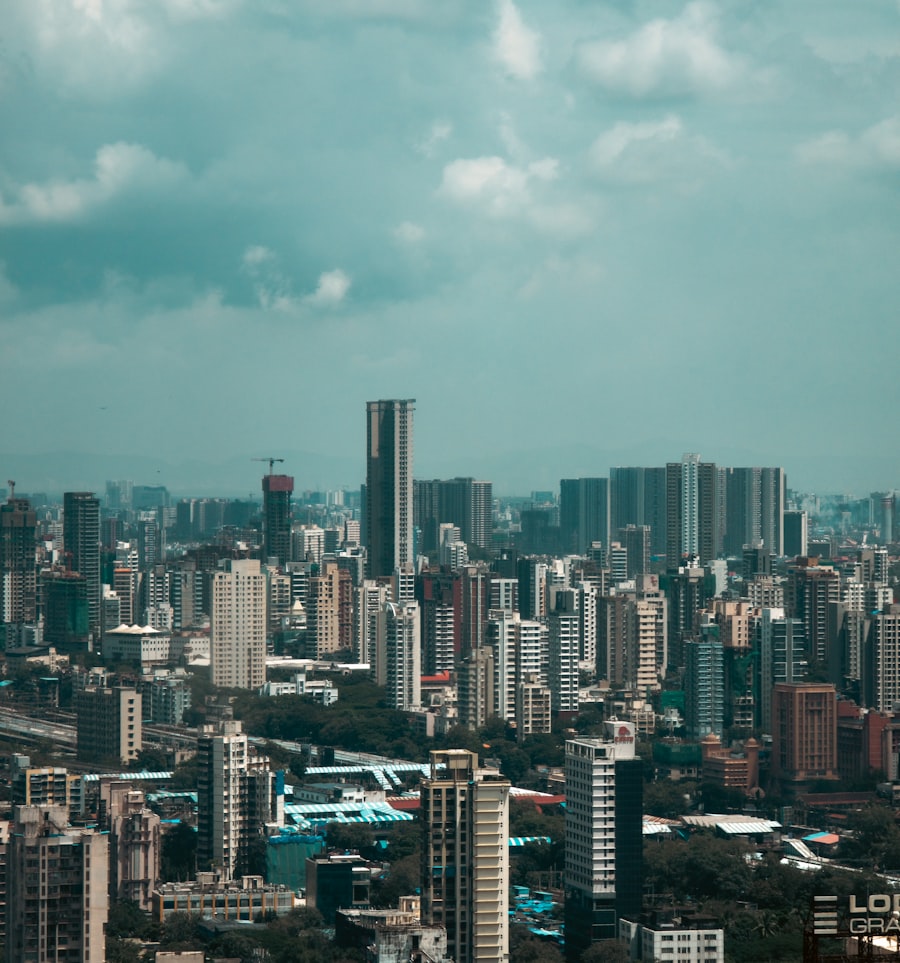
Bengaluru (formerly spelled Bangalore casually in older English copy) merges India's largest software campuses with jasmine-scented neighbourhoods — Whitefield commuter pain wrestles Koramangala cafe culture while families decode Karnataka education boards plus Bureaucracy FRRO.
Explore more family guides in India →
Action checklist
Concrete steps to make this move happen, in order.
Click any step to jump to that section ↓
- 1Apply for an India Employment Visa at your nearest Indian consulate before flying — tourist visas explicitly prohibit working in India. Bring your employment contract, company registration documents, and degree certificates. Processing takes 3–10 business days.
- 2Start your apartment search in Whitefield, Sarjapur Road, or Koramangala — the three main expat and tech worker corridors in Bengaluru. Furnished 3-bedroom apartments run ~$1,200–$2,000/month. Traffic on the ORR (Outer Ring Road — the main expressway connecting the tech parks) is severe — live as close to your child's school as possible.
- 3Apply to IB or IGCSE (International General Certificate of Secondary Education — Cambridge's internationally recognized qualification) schools on the Sarjapur corridor 12–18 months before your move — the top schools near the tech parks fill their June intake by December.
- 4Register at the FRRO (Foreigners Regional Registration Office — the government body that handles visa registration and extensions for all foreigners in India) within 14 days of arriving. Bring: passport, visa, employment contract, proof of address, and passport photos. Failure to register is a serious immigration violation.
- 5Arrange international health insurance (IPMI) before arriving — government hospitals are overcrowded and not set up for English-speaking expats. Manipal Hospitals and Apollo Hospitals both have expat-friendly departments and English-speaking pediatric staff in Bengaluru.
- 6Open an HDFC Bank or ICICI Bank account — both have expat-focused branches in Whitefield and Koramangala that accept an Employment Visa, passport, and company authorization letter. Bring a reference letter from your employer.
- 7Start interviewing ayahs (live-in nannies or childcare helpers, as they are commonly called in India) and house helpers 2–3 months before arrival — a live-in ayah costs ~$200–$400/month including accommodation. Reputable agencies in Whitefield and Sarjapur have 2–4 week waiting lists.
- 8April–June is Bengaluru's pre-monsoon heat season (35–38°C) — confirm your apartment has AC in all bedrooms and a reliable water supply before signing a lease. Verify the building has a diesel backup generator for the frequent power cuts.
Family fit
Great for
- Technology and engineering professionals relocating to India's Silicon Valley — Amazon, Google, Microsoft, Flipkart, Infosys, and hundreds of tech multinationals have major Bengaluru campuses
- Families on a budget who want a modern international city lifestyle with good schools and domestic help at costs 50–70% lower than Singapore, Hong Kong, or London
- Parents who value access to world-class private medical infrastructure at a fraction of Western costs — Bengaluru's hospitals are among the best in Asia for cardiac and orthopedic surgery
- Families with an appetite for India's rich cultural diversity and energy — Bengaluru is one of India's most cosmopolitan and internationally minded cities
Watch out for
- Traffic and infrastructure are Bengaluru's biggest daily challenge — commutes that look short on maps routinely take 45–90 minutes; living within 5 km of your workplace and school is essential
- Monsoon season (June–September) causes significant waterlogging and flooding in low-lying areas — research your neighborhood's flood history and avoid ground-floor apartments
- International school applications for top schools (Canadian International School, Greenwood High) require 12–18 months in advance — do not wait until you arrive to start this process
- Construction dust and noise pollution are constant in Bengaluru's growth corridors — invest in a HEPA air purifier and verify that your apartment has sealed windows before signing
Climate & seasons
Monthly normals (2001–2020) · MERRA-2 (NASA POWER)
Rainy-day counts are approximate (from monthly rainfall).
- HottestApr · 38.6°Cmean daily high
- CoolestJan · 10.8°Cmean daily low
- WettestSep · 151.5 mmmonth total
- DriestJan · 2.5 mmmonth total
- Low
- 10.8°C
- Rain
- 2.5 mm
- Wet days
- ~1
- Low
- 12.2°C
- Rain
- 4.5 mm
- Wet days
- ~1
- Low
- 15°C
- Rain
- 16.7 mm
- Wet days
- ~1
- Low
- 18.9°C
- Rain
- 57.3 mm
- Wet days
- ~5
- Low
- 19.8°C
- Rain
- 109.7 mm
- Wet days
- ~9
- Low
- 18.6°C
- Rain
- 76.2 mm
- Wet days
- ~6
- Low
- 18.2°C
- Rain
- 99.8 mm
- Wet days
- ~8
- Low
- 18.2°C
- Rain
- 112.5 mm
- Wet days
- ~9
- Low
- 17.5°C
- Rain
- 151.5 mm
- Wet days
- ~13
- Low
- 15.8°C
- Rain
- 140.7 mm
- Wet days
- ~12
- Low
- 13°C
- Rain
- 56.1 mm
- Wet days
- ~5
- Low
- 10.9°C
- Rain
- 14.9 mm
- Wet days
- ~1
| Month | Typical high | Typical low | Rain (total) | Rainy days (~) |
|---|---|---|---|---|
| Jan | 32°C | 10.8°C | 2.5 mm | 1 |
| Feb | 35.3°C | 12.2°C | 4.5 mm | 1 |
| Mar | 37.5°C | 15°C | 16.7 mm | 1 |
| Apr | 38.6°C | 18.9°C | 57.3 mm | 5 |
| May | 37.6°C | 19.8°C | 109.7 mm | 9 |
| Jun | 33.2°C | 18.6°C | 76.2 mm | 6 |
| Jul | 31.5°C | 18.2°C | 99.8 mm | 8 |
| Aug | 31.2°C | 18.2°C | 112.5 mm | 9 |
| Sep | 30.9°C | 17.5°C | 151.5 mm | 13 |
| Oct | 30.1°C | 15.8°C | 140.7 mm | 12 |
| Nov | 29.1°C | 13°C | 56.1 mm | 5 |
| Dec | 29.5°C | 10.9°C | 14.9 mm | 1 |
Family notes
- Warmest month on average: Apr (mean daily high ~39°C); coolest: Jan (mean daily low ~11°C).
- Most rainfall on average: Sep (~152 mm total); driest: Jan (~2 mm).
- Mean daily highs reach about 32°C or more in Jan, Feb, Mar, Apr, May, Jun — plan air-conditioning, shade, and limited midday outdoor time for babies and young children.
- Peak months can average above 35°C for daily highs — schedule playgrounds, walks, and errands for mornings or evenings when possible.
- Very wet months mean waterproofs, covered waiting at school pickup, and extra room to dry uniforms and shoes.
These values are long-term monthly climatologies from NASA POWER (MERRA-2 reanalysis) for the nearest model grid cell to these coordinates — not a single city-centre weather station. Spatial resolution is about 50 km; coastal belts, hills, and dense urban cores can differ. Precipitation is corrected MERRA-2 rainfall; rainy-day counts are approximated from monthly totals.
Grid cell used: 12.972°, 77.594° (WGS84)
Visa options
Reviewed Apr 2026
Reviewed Apr 2026
Most inbound travellers rely on India's e-visas or consular visas with fixed stay durations printed electronically. Employers pursue Employment (E-type) visas and FRRO/FRO registrations (foreigner regional registration offices) after landing. India's rules tighten often — screenshots from the Ministry of Home Affairs ICA site win arguments with landlords.
Tap the ? next to a term for a quick definition.
E-visa / tourist or business visa
Private visits and sanctioned business trips — not payroll without correct employment stamping.
Employment / long-term residence
HR coordinates Ministry of Labour filings, PIO cards for heritage cases, dependant linkage forms, lease FRRO affidavits, and biometric capture slots.
Short visits
- Only use India's official Visa Online government channels or embassy appointments — avoid clone sites charging fake fees.
- Carry vaccination print-outs if onward domestic flights ask.
- Search 'Indian immigration visa bulletin official MOHA' quarterly — reciprocal changes happen fast.
- Good scouting use: touring schools — long-term placements need FRRO-aligned residency proofs.
Employment and dependent routes
- Aadhaar (India's biometric ID) may stay unavailable early — landlords often accept passports plus FRRO slip copies.
- Children need student visa swaps if switching to CBSE-heavy schools — registrar offices scrutinise affidavits.
- Domestic helpers require separate PIO/OCI nuances — payroll compliance via specialised firms avoids fines.
- Search 'FRRO india registration employment visa official' weekly during monsoon bureaucracy peaks.
Register at the nearest FRRO (Foreigners Regional Registration Office) within deadlines printed on visas — overstaying risks fines.
FRRO Registration & Indian IDs
Reviewed Apr 2026
Reviewed Apr 2026
- Register with the FRRO (Foreigners Regional Registration Office — India's authority for foreign national registration) within 14 days of arrival at indianfrro.gov.in — bring passport, visa, proof of address (lease), and employer letter
- Obtain your Aadhaar card (India's biometric national ID — required for banking, utilities, school enrollment, and SIM registration) through a designated enrollment center — bring passport and visa; processing takes 30–90 days; use your passport as ID in the interim
- Obtain a PAN card (Permanent Account Number — India's income tax ID, managed by the Income Tax Department) through your employer's HR team or online at incometaxindia.gov.in — required for payroll, banking, and income tax filing
- Enroll your children in school with your FRRO registration, apostilled birth certificates, and prior school transcripts — top schools like Canadian International School require these documents at the time of application
- Your housing society will arrange a police verification check for all residents including domestic staff — cooperate promptly and retain copies of all submitted documents; it typically takes 2–4 weeks
Register with the FRRO within 14 days of arrival — penalties for late registration are strict and affect future visa renewals.
Banking
- HDFC Bank and ICICI Bank are the most commonly used banks by expat tech professionals in Bengaluru — both have English-language support, international wire capabilities, and branches near all major IT parks
- Documents required: passport, valid India visa stamp, employer letter, and proof of Bengaluru address (lease works as provisional address proof); Aadhaar (India's biometric national ID) and PAN (Permanent Account Number — India's tax ID) are required for full-feature accounts
- Use Wise or Revolut for international transfers while your Indian account is being set up — both support INR and are significantly cheaper than HDFC or ICICI SWIFT wire fees
- UPI (Unified Payments Interface — India's real-time bank-to-bank payment system) is the standard for almost all transactions in Bengaluru — link your account to Google Pay or PhonePe; this replaces cash for most daily transactions
- Cash (Indian rupees) is still used in local markets, auto-rickshaws, and smaller restaurants — keep ₹2,000–₹5,000 (~$25–$60) on hand; ATMs are widely available near all major gated communities
Open an NRO or resident savings account as soon as your Aadhaar or employer documentation is ready — payroll and rent transfers depend on it.
Housing
Bengaluru's expat and family housing clusters around three tech corridors: Whitefield (east), Sarjapur Road (southeast), and Koramangala/Indiranagar (central-south). These areas have the highest concentration of international schools, supermarkets, and expat communities. A furnished 3-bedroom apartment in these areas costs ~$1,200–$2,000/month. Proximity to your child's school matters most — Bengaluru's ORR traffic can turn a 10km commute into a 90-minute ordeal.
Where to search
These are local rental platforms — this is where residents rent long-term housing (cheaper than Airbnb).
Search "Bengaluru" or specific areas (Whitefield, Koramangala, Indiranagar) inside each platform to filter local listings.
Tip: arrive with a 2–3 week serviced apartment booking in your target area — most landlords require an in-person viewing before signing; leases are typically 11 months (renewable) under Indian rental law.
Typical monthly rents
- 1-bed apartment, Indiranagar or Koramangala: ~$400–$700 / month
- 2-bed apartment, HSR Layout or JP Nagar: ~$700–$1,200 / month
- 3-bed apartment, Whitefield or Sarjapur (near international schools): ~$1,200–$2,200 / month
- 4-bed villa, Whitefield gated community: ~$2,000–$3,500 / month
- Short-stay serviced apartment (first 4–8 weeks): ~$1,200–$2,500 / month
Best areas for families
What you need to rent
- Valid passport with current Indian visa endorsement
- FRRO (Foreigner Regional Registration Office) registration certificate — required if your visa stay exceeds 180 days
- 10 months security deposit is standard in Bengaluru (Indian norm — non-refundable in case of damages, refundable otherwise)
- Employer relocation letter or 3 months of bank statements proving income
- Society admission forms and police verification — gated communities require these before move-in; budget 2–4 weeks for processing
Schools
Bengaluru has one of India's strongest international school markets, concentrated along the Sarjapur Road, Whitefield, and Koramangala tech corridors where most expat families live. IB (International Baccalaureate), IGCSE (International General Certificate of Secondary Education — Cambridge's global qualification), and CBSE (Central Board of Secondary Education — India's national curriculum) are all available.
Public system
Indian state board and CBSE government schools teach in Kannada (Karnataka's state language) or English, following an April–March academic year with large class sizes. These schools are designed for Indian families and are not a practical choice for expat children arriving without prior experience of the Indian curriculum.
International options
The main international schools are clustered along Sarjapur Road and in Whitefield, close to the major tech company campuses (Electronic City, Manyata Tech Park, RMZ Ecospace). IB Diploma and IGCSE programs are standard. Annual fees range from ~$8,000 to $20,000/year — significantly less than equivalent schools in Singapore or Dubai. Apply 12–18 months in advance.
Language notes
Instruction at international schools is entirely in English. Kannada (Karnataka's official state language) is offered as an optional enrichment subject. Most expat children pick up conversational Hindi from household staff and local interactions within the first year.
Submit applications and pay deposits before your move — the most popular IB campuses on the Sarjapur corridor fill their June intake by December and do not hold spots. If you are moving mid-year, confirm the school has a mid-year admission policy before applying.
Education options
IB curriculum international schools (Sarjapur Road and Whitefield)
The standard choice for expat families relocating with multinational companies. Cambridge IGCSE in middle school, IB Diploma in the final two years. School buses service the main tech park areas. Fees: ~$10,000–$20,000/year.
IGCSE / British curriculum schools
Strong academic reputation with UK accreditation. Located primarily in Koramangala and Indiranagar. Good choice for families relocating from the UK or with older children already in the GCSE system. Fees: ~$8,000–$15,000/year.
CBSE schools (Indian national curriculum, English-medium)
Free or low-cost, academically demanding, and taught in English. Follows the April–March academic year. A viable option only for families with children who are fluent in English and comfortable adapting to a very different exam-focused curriculum structure.
Childcare
Bengaluru has a large domestic help market in its gated tech communities — starting your aya search early is essential as the best helpers are placed quickly.
Daycare & nurseries
- Private crèches (the Indian term for nursery/daycare) in Whitefield, Koramangala, and Indiranagar charge ₹18,000–₹45,000/month (~$215–$540) for full-day infant care — international-curriculum Montessori centers charge toward the upper end
- Anganwadi centers (government-run early childhood development centers) are free for income-eligible Indian families but operate in Kannada and Hindi — not suitable for expat children
- Visit crèches in person and ask about air-filtration systems — construction dust in Bengaluru makes indoor air quality a genuine factor; good nurseries should have air purifiers running in infant rooms
Nanny & au pair
- Full-time live-in ayas (Indian term for a domestic helper or nanny) in Bengaluru charge ₹15,000–₹30,000/month (~$180–$360) including accommodation — live-out nannies charge ₹18,000–₹40,000/month (~$215–$480) depending on experience and English ability
- All domestic workers employed in India should be registered with BBMP (Bruhat Bengaluru Mahanagara Palike — Bengaluru's municipal authority) — your housing society handles police verification; use a registered staffing agency to ensure background checks are done
- English-speaking ayas with experience in expat families are in high demand — start your search 8–10 weeks before arrival through your company's HR relocation team or through expat Facebook groups
Where to find childcare
- Search "Bangalore Expat Family Network" and "Expat Moms Bangalore" on Facebook — the most active English-language communities for aya referrals and childcare recommendations
- Registered domestic staffing agencies in Whitefield and Koramangala pre-screen candidates and provide police verification — search "domestic staff agency Bengaluru" on Google; placement fees typically equal one month's salary
- Company HR teams at major tech employers (Amazon, Google, Infosys) often maintain referral lists for domestic workers vetted through corporate relocation programs
Healthcare
Reviewed Apr 2026
Reviewed Apr 2026
- India's public healthcare system is not used by expats — all foreign families rely on private hospitals; Bengaluru has excellent private infrastructure in the Whitefield, Indiranagar, and Koramangala corridors
- Manipal Hospitals (Whitefield campus) and Narayana Health City (Bommasandra) are the two top private hospitals for complex care — Cloudnine Hospital (multiple locations) is the most popular choice for childbirth and pediatric care
- Typical private costs: GP consultation ₹800–₹1,500 (~$10–$18), specialist ₹1,500–₹3,000 (~$18–$36), ER visit ₹5,000–₹20,000 (~$60–$240)
- International private medical insurance (IPMI) is essential — Cigna Global, AXA, and Bupa Global are widely used; expect $3,000–$6,000/year for a family of four; ensure your policy covers evacuation to Singapore for complex cases
- Dengue fever spikes June–October (monsoon season) — use mosquito repellent on children daily and eliminate standing water; construction dust in Bengaluru also causes significant respiratory irritation year-round
Manipal Hospitals (Whitefield campus) is the most accessible top-tier hospital for families in the tech corridor — confirm your IPMI covers it before registering.
Optional insurance option
Some families prefer to have private international medical coverage for the first period abroad. SafetyWing is one option to check if you want a flexible plan while relocating.
Check SafetyWingAlways confirm that any insurance you choose matches your visa, residency, and healthcare needs.
Safety
- Bengaluru is generally safe by Indian city standards — violent crime rates are low in expat areas like Whitefield, Koramangala, Indiranagar, and Sarjapur Road; the main security concerns are petty theft and traffic
- Phone snatching and bag theft are the most common crimes in busy markets and busy streets — keep phones in pockets, use Uber/Ola for all travel, and avoid displaying expensive items outdoors
- Traffic in Bengaluru is severe and unpredictable — monsoon rain makes roads particularly chaotic; school pickup routes regularly take 30–60 minutes for short apparent distances; proximity to school matters more here than anywhere else
- Construction dust and monsoon waterlogging are the main environmental hazards — Whitefield and Electronic City areas have significant construction activity; HEPA air purifiers are essential in children's bedrooms
- Most expat gated communities (apartment complexes with 24/7 security guards, intercom systems, and CCTV) are the standard for families in Bengaluru's IT corridor — these provide a reliable level of daily security
FAQ
Is Bengaluru good for families?
Yes, for families comfortable with Indian city life and willing to manage traffic strategically. Bengaluru has excellent tech-sector employment, world-class private hospitals, good international schools, and very affordable domestic help. Traffic and monsoon flooding are the main daily challenges.
How much does a family typically need per month here?
A family of four renting a 3-bedroom apartment in Whitefield or Koramangala typically spends $3,200–$5,000/month all-in — including rent (~$1,400), groceries, domestic help, and transport, but not international school tuition.
Is housing hard to find here?
No — Bengaluru has ample inventory in its tech corridors. Use NoBroker.com to find no-brokerage options and book a 2–3 week serviced apartment for your initial search.
Do children need international school here, or can local schools work?
International school is strongly recommended for non-Indian-curriculum children — IB and CBSE international schools in Whitefield and Koramangala are well-established. Apply 12–18 months in advance for the top schools.
Is healthcare easy to access as a newcomer?
Yes — Bengaluru has excellent private hospitals at a fraction of Western costs. International private medical insurance (IPMI) is essential; ensure your policy covers Manipal and Cloudnine hospitals and includes evacuation to Singapore.
Do you need a car in Bengaluru?
Yes in most cases — Bengaluru's traffic and dispersed layout make a car or consistent Uber/Ola access essential. Most families use a combination of their own car plus Uber/Ola for flexibility.
How difficult is the paperwork and bureaucracy after moving?
Moderately complex — FRRO registration, Aadhaar, PAN, and bank account require coordinated effort over 6–10 weeks. Your company's HR team handles the most important steps (work permit, PAN); a local relocation agent helps with the rest.
What usually surprises families after arrival?
Most families are surprised by how much time traffic consumes — a 5 km journey can take 45 minutes in peak hours. The warmth and hospitality of the local tech community and domestic staff is the pleasant opposite surprise.
Considering Bengaluru alongside other cities?
Build a side-by-side report weighted to your family — budget fit, schools, visa paths, safety and lifestyle scored against your actual priorities.
- Match score per city
- Budget fit for your family
- Schools & visa paths
- Shareable + downloadable
Launch price · from$9$18· pay once
Only seriously considering Bengaluru? Get a personalised single-city “Should we move here?” report — verdict, visa paths ranked for you, and a 90-day checklist. Launch price $7 $14.
Try the $7 reportCities you might also like
Other guides families considering Bengaluru often look at next.


Sources
Official government, institutional, and public sources.
Community
Expat groups and community forums. Use the search buttons below to find them.
Search Bangalore expats Facebook
Search: “Bangalore expats”Search on Google