Colombia
Bogotá
Páramo capital — Andean altitude and policy gravity
Family budget at a glance
The all-in range matches the FAQ answer for "How much does a family typically need per month here?" The other cards are single-line benchmarks — they don't add up to that total (school fees and other costs are separate).
All-in / month (family of 4)
~$3,000–$4,500 / month
3-bed family home
~$1,200 / month
Dinner for 2 (mid-range)
~$30
Nanny
~$5 / hr
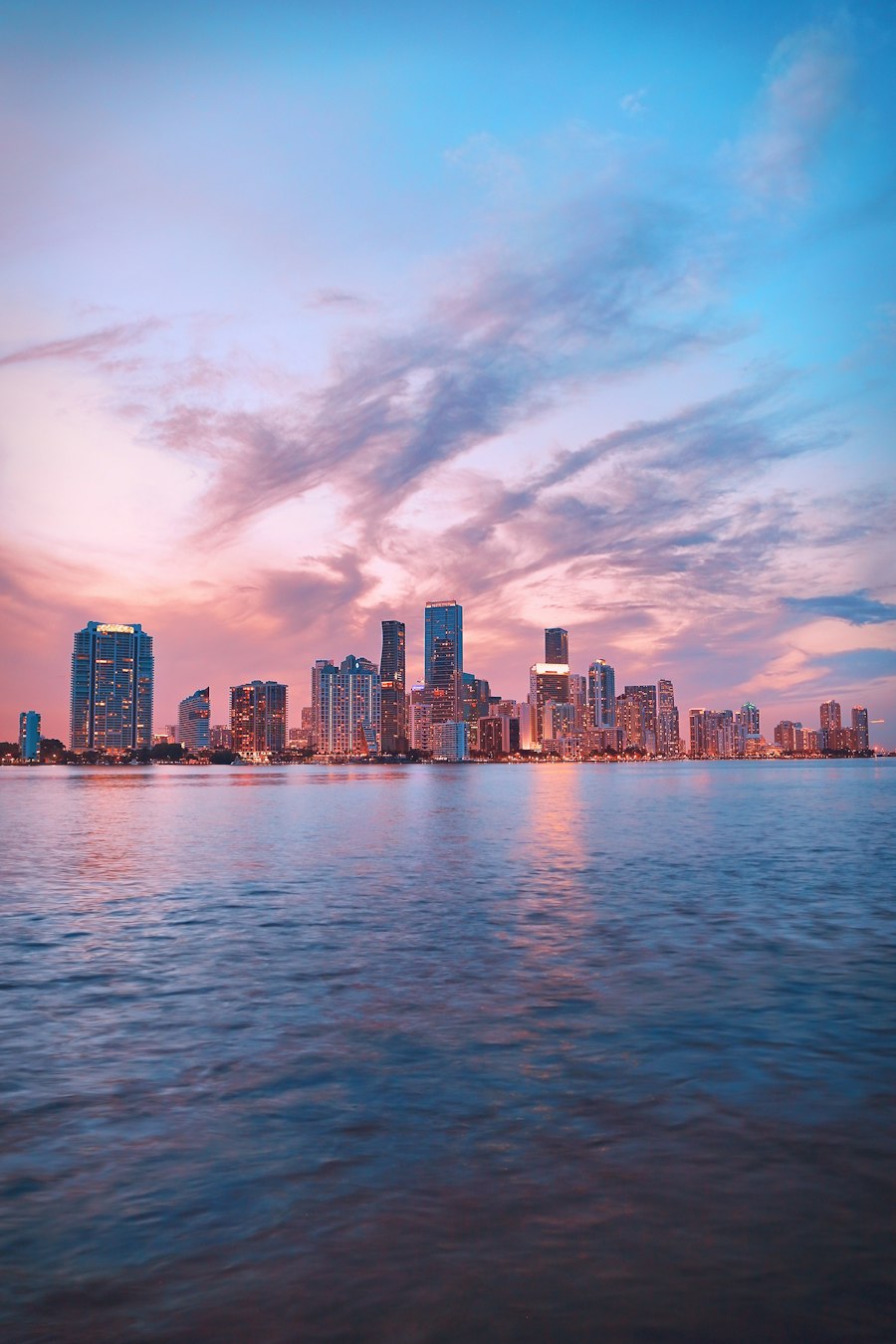
Bogotá sprawls inside a chilly Andean plateau at roughly 2,640 m blending government ministries with startup accelerators Chapinero wards — Ciclovía Sundays close major arterials magically while families calibrate UNICEF-lauded TransMilenio commutes against crisp nights needing fleece indoors July.
Explore more family guides in Colombia →
Action checklist
Concrete steps to make this move happen, in order.
Click any step to jump to that section ↓
- 1Check whether your passport qualifies for a 90-day tourist entry to Colombia — most Western passports do. If you plan to stay longer than 6 months, apply for a Visa de Residente or Cédula de Extranjería (Colombia's official foreigner ID card) through Cancillería de Colombia (Colombia's foreign ministry).
- 2Start your apartment search in Usaquén or Chicó 6–8 weeks before arriving — these are Bogotá's safest and most family-friendly neighborhoods. Furnished 3-bedroom apartments run ~$1,500–$2,500/month. Use Finca Raíz (Colombia's main rental portal) to browse listings.
- 3Apply to bilingual IB or US-curriculum schools in north Bogotá 12–18 months before your move — the best schools fill their August intake by January and do not hold spots without a deposit.
- 4Arrange private health insurance before arriving — Colombia's mandatory EPS system (Entidades Promotoras de Salud — the national health insurance network) takes 3–6 months to activate for new arrivals. SURA and SANITAS both offer expat bridging plans from ~$150/month.
- 5Register at Migración Colombia (Colombia's immigration authority) within 15 days of arrival if you hold a visa — bring your passport, visa, and rental contract. Missing this deadline risks a fine.
- 6Open a Bancolombia or Davivienda bank account within your first month — you need your RUT (Registro Único Tributario — Colombia's tax ID, issued by DIAN, the national tax authority) first. DIAN offices are in every major neighborhood.
- 7Visit at least 3 guarderías (nurseries) in person in Usaquén or Rosales — quality bilingual nurseries fill quickly. Budget ~$600–$1,200/month for a full-time spot.
- 8Bogotá sits at 2,600 meters (8,530 ft) above sea level — prepare for altitude adjustment in the first 1–2 weeks: expect fatigue, mild headaches, and shortness of breath. Children usually adapt faster than adults.
Family fit
Great for
- Executives at multinational companies with Colombian operations — Bogotá hosts offices for hundreds of Fortune 500 firms across oil, finance, and tech sectors
- Families on a budget who want a full big-city lifestyle (arts, culture, dining, international schools) at prices 40–60% lower than Santiago, Panama City, or Mexico City
- Parents who value Bogotá's strong bilingual school scene — 30+ international and bilingual schools charge $8,000–$20,000/year, far below US or UK equivalents
- Remote workers attracted to Colombia's digital nomad visa, mild spring-like year-round climate (18–20°C), and growing tech startup ecosystem
Watch out for
- Safety requires consistent street-smart habits — phone snatching and bag theft are common in public spaces; neighborhoods require careful research before choosing where to live
- Bogotá's altitude (2,640 m — the third highest capital in the world) affects energy levels, sleep, and exercise capacity for 1–4 weeks after arrival
- Traffic and transport are significant daily challenges — the lack of a metro means all family logistics depend on rideshares or cars; Bogotá's traffic is among the worst in South America
- Bureaucracy for residency, school enrollment, and banking is slow and requires Spanish-only in-person appointments — hiring a local relocation assistant is strongly recommended
Climate & seasons
Monthly normals (2001–2020) · MERRA-2 (NASA POWER)
Rainy-day counts are approximate (from monthly rainfall).
- HottestMar · 27.8°Cmean daily high
- CoolestAug · 11.2°Cmean daily low
- WettestApr · 209.1 mmmonth total
- DriestJan · 44.3 mmmonth total
- Low
- 11.4°C
- Rain
- 44.3 mm
- Wet days
- ~4
- Low
- 12.2°C
- Rain
- 70.3 mm
- Wet days
- ~6
- Low
- 13.3°C
- Rain
- 131.8 mm
- Wet days
- ~11
- Low
- 13.4°C
- Rain
- 209.1 mm
- Wet days
- ~17
- Low
- 12.6°C
- Rain
- 207.1 mm
- Wet days
- ~17
- Low
- 11.7°C
- Rain
- 162 mm
- Wet days
- ~14
- Low
- 11.3°C
- Rain
- 134.2 mm
- Wet days
- ~11
- Low
- 11.2°C
- Rain
- 107.6 mm
- Wet days
- ~9
- Low
- 11.2°C
- Rain
- 102.9 mm
- Wet days
- ~9
- Low
- 12.4°C
- Rain
- 185.7 mm
- Wet days
- ~15
- Low
- 12.9°C
- Rain
- 165.3 mm
- Wet days
- ~14
- Low
- 12.1°C
- Rain
- 103.2 mm
- Wet days
- ~9
| Month | Typical high | Typical low | Rain (total) | Rainy days (~) |
|---|---|---|---|---|
| Jan | 26.7°C | 11.4°C | 44.3 mm | 4 |
| Feb | 27.6°C | 12.2°C | 70.3 mm | 6 |
| Mar | 27.8°C | 13.3°C | 131.8 mm | 11 |
| Apr | 26.5°C | 13.4°C | 209.1 mm | 17 |
| May | 25.6°C | 12.6°C | 207.1 mm | 17 |
| Jun | 25.1°C | 11.7°C | 162 mm | 14 |
| Jul | 25.1°C | 11.3°C | 134.2 mm | 11 |
| Aug | 26°C | 11.2°C | 107.6 mm | 9 |
| Sep | 26.7°C | 11.2°C | 102.9 mm | 9 |
| Oct | 26.5°C | 12.4°C | 185.7 mm | 15 |
| Nov | 25.3°C | 12.9°C | 165.3 mm | 14 |
| Dec | 25.9°C | 12.1°C | 103.2 mm | 9 |
Family notes
- Warmest month on average: Mar (mean daily high ~28°C); coolest: Aug (mean daily low ~11°C).
- Most rainfall on average: Apr (~209 mm total); driest: Jan (~44 mm).
- Very wet months mean waterproofs, covered waiting at school pickup, and extra room to dry uniforms and shoes.
These values are long-term monthly climatologies from NASA POWER (MERRA-2 reanalysis) for the nearest model grid cell to these coordinates — not a single city-centre weather station. Spatial resolution is about 50 km; coastal belts, hills, and dense urban cores can differ. Precipitation is corrected MERRA-2 rainfall; rainy-day counts are approximated from monthly totals.
Grid cell used: 4.610°, -74.082° (WGS84)
Visa options
Reviewed Apr 2026
Reviewed Apr 2026
Many Western visitors enter Colombia visa-free for short stays — confirm duration for your passport on the Cancillería (Colombia's Ministry of Foreign Affairs) site. Long-term stays usually need a migrant visa (visa tipo M or related categories) tied to work, investment, or family — Colombian immigration updates categories periodically.
Tap the ? next to a term for a quick definition.
Visitor / visa-free entry (short stay)
Tourism and private visits during the stay printed on your entry stamp — not a work permit.
Migrant visa (work / investment / family)
Apply through the Cancillería or in-country migration processes as rules allow.
Short stay — tourism and family visits
- Verify allowed stay length on the official migration site for each family member before you travel.
- Use short visits to view housing and school routes — then apply for the correct migrant category if you plan to stay.
- Working without the correct migrant category is risky — line up employer or independent visa advice before you take local payroll.
Migrant visa — national categories
- Employer, business, retirement, and family routes each have document bundles — use official PDFs, not forum shortcuts.
- Dependants usually need linked applications.
- Search 'Migración Colombia visa tipo M trabajo' on Google for the current matrix.
Search 'Cancillería Colombia visas official' on Google before you book — rules and reciprocity change.
Immigration & Registration
Reviewed Apr 2026
Reviewed Apr 2026
- Apply for your cédula de extranjería at a Migración Colombia office within 15 days of visa approval — bring passport, visa, and a passport photo; this ID card is required for banking, contracts, and healthcare enrollment
- Register your address on the Migración Colombia portal (migracioncolombia.gov.co) within 3 days of arrival — failure to report your address is a common compliance error that results in fines
- Obtain your NIT (Número de Identificación Tributaria — Colombia's tax number for foreigners) at any DIAN (Dirección de Impuestos y Aduanas Nacionales — Colombia's tax authority) office — required for payroll, banking, and formal contracts
- Enroll your children in school with your cédula de extranjería, apostilled birth certificates, and prior school transcripts — most international schools require apostilled records from your home country
- Your employer must enroll you in EPS (Entidad Promotora de Salud — Colombia's mandatory health insurance system) within 30 days of your start date — this covers healthcare costs for you and your enrolled dependants
Apply for your cédula de extranjería immediately after your visa is stamped — it is required for banking, school enrollment, and virtually all official transactions.
Banking
- Bancolombia and Davivienda are the two most commonly used banks by expat families — both have English-language helplines and accept cédula de extranjería and income documentation; bring your NIT (tax ID), cédula, and a utility bill
- You need a cédula de extranjería (Colombia's foreigner resident ID — issued by Migración Colombia after visa approval) before most banks will open an account — plan for a 6–10 week gap from arrival to account activation; use Wise during this period
- Wise and Revolut support COP (Colombian peso) and are the standard tools for international transfers — significantly cheaper than Bancolombia's international wire service
- Nequi (Bancolombia's mobile wallet) and Daviplata (Davivienda's equivalent) are Colombia's most widely used digital payment apps — essential for day-to-day transactions including paying domestic staff and utilities
- Cash (pesos) is used at local markets, smaller restaurants, and informal vendors — keep COP 100,000–200,000 (~$25–$50) on hand; ATMs (cajeros automáticos) are widely available in expat neighborhoods
Open a Bancolombia or Davivienda account as soon as your cédula de extranjería is issued — the account unlocks payroll, school fee payments, and rent transfers.
Housing
Bogotá's best family neighborhoods are in the north of the city — Usaquén, Chicó, Rosales, and El Nogal. These are safe, walkable, and close to the top bilingual schools. A furnished 3-bedroom apartment in these areas runs ~$1,500–$2,500/month. The south and city center are significantly cheaper but not recommended for newly arrived families who don't yet know the city.
Where to search
These are local rental platforms — this is where residents rent long-term housing (cheaper than Airbnb).
Search "Bogotá" or specific barrio names (Usaquén, Chicó, Rosales) inside each platform to filter local listings.
Tip: rent a furnished short-term apartment in Usaquén or Chicó for 4–6 weeks — long-term landlords strongly prefer tenants who can view properties in person and sign quickly.
Typical monthly rents
- 1-bed apartment, Chapinero Alto or Quinta Camacho: ~$500–$900 / month
- 2-bed apartment, El Chicó or Rosales: ~$900–$1,500 / month
- 3-bed apartment, Chapinero or Usaquén: ~$1,500–$2,500 / month
- 4-bed family house, Usaquén or Cedritos (near international schools): ~$2,200–$4,000 / month
- Short-stay serviced apartment (first 4–8 weeks): ~$1,200–$2,500 / month
Best areas for families
What you need to rent
- Valid passport plus your cédula de extranjería (Colombian foreigner ID) once issued
- Codeudor (Colombian co-signer/guarantor) or a póliza de arrendamiento (rental insurance policy) — most landlords require one or the other
- 3 months of bank statements or an employment contract showing income
- 1–2 months deposit plus first month's rent is standard
- Most contracts run 1 year minimum — Colombian law allows tenants to terminate with 3 months notice plus a penalty equal to 3 months rent
Schools
Bogotá has one of Latin America's strongest bilingual school markets, concentrated in the northern neighborhoods of Usaquén, Chicó, and La Calleja. British, IB, and US-curriculum schools are widely available at fees that are a fraction of equivalent schools in Europe or North America.
Public system
Colombia's public schools follow the curriculum set by the Secretaría de Educación del Distrito (SED — Bogotá's district education authority) and teach entirely in Spanish. Academically solid by regional standards, but not a realistic option for expat children arriving without Spanish fluency.
International options
The best international and bilingual schools cluster in north Bogotá along the Autopista Norte and Usaquén corridors. IB Diploma and bilingual (Spanish/English) programs are standard. Annual fees range from ~$9,500 to $25,000/year. Apply 12–18 months in advance — the most popular schools fill their August intake by February.
Language notes
Private bilingual schools split instruction 50/50 Spanish and English from primary level. Children arriving with no Spanish will be immersed from day one and typically reach conversational fluency within 6 months. English-medium support in the upper IB years fades — most instruction shifts toward Spanish at that stage.
Tour schools in person in November–December and submit applications by January — waitlists for the August intake close early and cannot be bypassed with a late application or deposit.
Education options
Private bilingual schools (Spanish/English, IB or US curriculum)
The standard choice for expat families — a mix of Colombian and international students, bilingual instruction from primary, and IB Diploma in the upper years. Most are located in Usaquén and Chicó. Fees: ~$9,500–$25,000/year.
Public schools (free, Spanish-medium)
Free and academically functional, but all instruction is in Spanish. A realistic option only for families planning a stay of 2+ years with young children ready for full Spanish immersion.
Childcare
Bogotá has a well-developed bilingual childcare market in north Bogotá — ICBF-subsidized centers exist but expat families typically use private bilingual jardines.
Daycare & nurseries
- Licensed jardines infantiles (nurseries) in Usaquén, Chicó, and Chapinero Norte charge COP 1,500,000–3,000,000/month (~$375–$750) for full-day infant care — bilingual centers charge 20–30% more
- ICBF (Instituto Colombiano de Bienestar Familiar — Colombia's family welfare institute) operates subsidized hogares comunitarios (community daycare) for income-eligible Colombian families — instruction is in Spanish only
- Visit 3–4 centers before enrolling and ask about earthquake and emergency protocols — Colombian nurseries are required to have evacuation plans, but implementation quality varies
Nanny & au pair
- Full-time live-out nanny rates in Bogotá run COP 1,200,000–2,000,000/month (~$300–$500) — English-speaking nannies in expat neighborhoods charge COP 2,000,000–3,000,000/month ($500–$750)
- Colombian labor law requires domestic workers to receive formal contracts, SGSSS (social security) enrollment, a cesantías (severance fund), and annual leave — use a labor attorney or HR platform to set this up correctly
- Most expat families find reliable nannies through school parent networks at international schools — word of mouth is the most trusted channel in Bogotá's expat community
Where to find childcare
- Search "Bogotá Expats" and "Colombia Families Network" on Facebook — the most active English-language communities for nanny referrals and childcare advice
- Computrabajo.com (Colombia's major job platform) has a domestic services section — filter by Usaquén and Chicó for candidates near expat neighborhoods
- Parent WhatsApp groups at Bogotá's international schools are the primary referral network for trusted domestic workers
Healthcare
Reviewed Apr 2026
Reviewed Apr 2026
- Colombia has a mandatory national health system (EPS — Entidades Promotoras de Salud) — employees contribute 12.5% of salary (shared between employer and employee) and gain access to comprehensive healthcare benefits
- For families seeking English-language care and shorter wait times, Fundación Santa Fe de Bogotá and Clínica del Country are the two top private hospitals in the Usaquén/Chapinero Norte area — both have pediatric departments and internationally trained staff
- Typical private costs: GP consultation COP 80,000–160,000 (~$20–$40), specialist COP 150,000–350,000 (~$37–$88), ER COP 500,000–1,500,000 (~$125–$375)
- Expats employed in Colombia must enroll in EPS — most multinationals use Colsanitas or Sanitas, which have English-language support and private clinics near Chapinero Norte and Usaquén
- Bogotá's altitude (2,640 m) is the highest capital in South America after Quito — expect a 1–2 week adjustment period (headaches, fatigue, shortness of breath); reduce children's physical activity for the first week; stay very well-hydrated
Fundación Santa Fe de Bogotá in Usaquén is the standard choice for expat families — confirm your EPS or IPMI covers it before registering.
Optional insurance option
Some families prefer to have private international medical coverage for the first period abroad. SafetyWing is one option to check if you want a flexible plan while relocating.
Check SafetyWingAlways confirm that any insurance you choose matches your visa, residency, and healthcare needs.
Safety
- Bogotá's family neighborhoods (Usaquén, Chicó, La Cabrera, Rosales, El Nogal) are safe for daily life — violent crime is concentrated in outer southern and peripheral areas well outside expat zones
- Phone snatching and express robbery near TransMilenio (Bogotá's bus rapid transit system) stops are the most common crimes affecting expats — use Uber or InDriver for all trips and keep phones pocketed in public
- Bogotá's traffic on Carrera 7, Calle 100, and the Circunvalar is severe — school pickup times require precise scheduling; pico y placa (a traffic restriction banning specific plates on specific weekdays) affects driving
- Air quality is moderate but spikes in February–March before the rains — monitor the SISAIRE air-quality dashboard and limit outdoor play for children on high-pollution days
- Most expat apartment complexes in north Bogotá have private security (vigilancia) and gated entrances — this is standard, not exceptional, and provides a reasonable layer of daily security
FAQ
Is Bogotá good for families?
Yes, if you choose the right neighborhood and maintain street-smart habits. North Bogotá (Usaquén, Chicó, Rosales) is safe, cosmopolitan, and has excellent bilingual schools at a fraction of US costs. The altitude, traffic, and bureaucracy require active adjustment.
How much does a family typically need per month here?
A family of four renting a 3-bedroom apartment in north Bogotá typically spends $3,000–$4,500/month all-in — one of the best value-to-quality ratios of any major Latin American city.
Is housing hard to find here?
No — Bogotá has ample rental inventory in north Bogotá. Quality apartments in Usaquén and Chicó are available with 4–6 weeks of searching.
Do children need international school here, or can local schools work?
Most expat children attend private bilingual schools — Colombian public schools are in Spanish only and not suited to non-Spanish-speaking newcomers. Bogotá has 30+ bilingual schools at very competitive prices; apply 6–12 months in advance.
Is healthcare easy to access as a newcomer?
Yes — EPS enrollment (mandatory for employees) provides good coverage, and top private hospitals like Fundación Santa Fe offer excellent care. Your employer handles EPS registration within 30 days of your start date.
Do you need a car in Bogotá?
Yes in most neighborhoods — Bogotá lacks a metro and rideshares (Uber, InDriver) fill the gap for most daily travel. Many families use rideshares exclusively and skip car ownership entirely given the severe traffic.
How difficult is the paperwork and bureaucracy after moving?
Moderately challenging — getting your cédula de extranjería and NIT takes 6–10 weeks and requires multiple in-person appointments. Hiring a local relocation assistant ($300–$600 one-time) is one of the best investments you can make in your first month.
What usually surprises families after arrival?
Most families are surprised by the altitude — Bogotá at 2,640 m is genuinely physically demanding for the first 1–2 weeks. The spring-like year-round climate (18–20°C) is the pleasant opposite surprise.
Considering Bogotá alongside other cities?
Build a side-by-side report weighted to your family — budget fit, schools, visa paths, safety and lifestyle scored against your actual priorities.
- Match score per city
- Budget fit for your family
- Schools & visa paths
- Shareable + downloadable
Launch price · from$9$18· pay once
Only seriously considering Bogotá? Get a personalised single-city “Should we move here?” report — verdict, visa paths ranked for you, and a 90-day checklist. Launch price $7 $14.
Try the $7 reportCities you might also like
Other guides families considering Bogotá often look at next.


Sources
Official government, institutional, and public sources.
Community
Expat groups and community forums. Use the search buttons below to find them.
Search Expats in Colombia
Search: “Expats in Colombia Facebook”Search on Google