Chile
Santiago
Andean capital — wineries, earthquakes, ambitious schools
Family budget at a glance
The all-in range matches the FAQ answer for "How much does a family typically need per month here?" The other cards are single-line benchmarks — they don't add up to that total (school fees and other costs are separate).
All-in / month (family of 4)
~$4,500–$7,000 / month
3-bed family home
~$1,800 / month
Dinner for 2 (mid-range)
~$45
Nanny
~$9 / hr
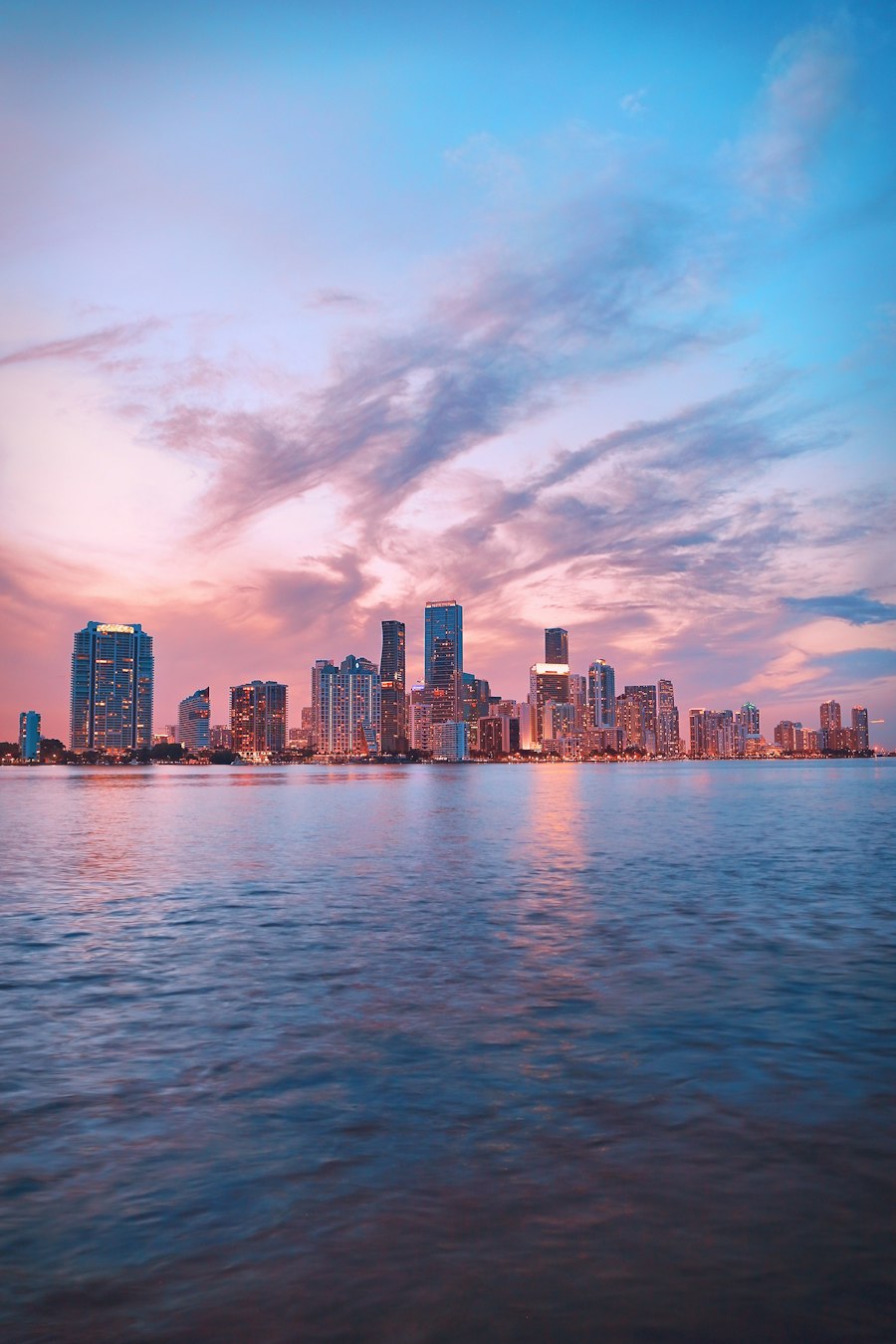
Santiago nestles beside the towering Andes with smog inversions winters yet spring lilacs coloring Las Condes sidewalks — tech unicorns mingle copper finance towers while families scout La Reina hillside houses balancing earthquake retrofit credits.
Action checklist
Concrete steps to make this move happen, in order.
Click any step to jump to that section ↓
- 1Most nationalities enter Chile visa-free for 90 days. If you plan to stay longer, apply for a Visa Temporaria (Chile's temporary residency visa) at a Chilean consulate before arrival or at the Extranjería office (Chile's immigration authority) within 90 days of arriving.
- 2Start your apartment search in Las Condes, Vitacura, or Providencia — Bogotá's top three family neighborhoods, all close to the main international schools and business districts. A furnished 3-bedroom in Las Condes or Vitacura runs ~$1,800–$3,000/month. Use Portalinmobiliario.com to browse listings.
- 3Apply to British or IB schools in the Las Condes corridor at least 12 months before your move — the best international campuses fill their March intake (Chile's school year starts in March) by October of the previous year.
- 4Register with Extranjería (Chile's immigration authority) within 30 days of arriving — bring your passport, entry stamp or visa, rental contract, and an apostilled criminal background check from your home country.
- 5Get your RUT (Rol Único Tributario — Chile's universal tax and ID number, issued by SII, the Servicio de Impuestos Internos) at any SII office as soon as you have a rental contract — you need the RUT for banking, utility contracts, and school enrollment.
- 6Open a Banco de Chile or Banco Santander account — bring your RUT, passport, and proof of address. Both banks have English-speaking staff in the Las Condes branch.
- 7Register with FONASA (Fondo Nacional de Salud — Chile's national public health fund) or arrange private health coverage through Cruz Blanca or Consalud (Chile's leading private health insurers). Most expat families add private isapre (private health plan) coverage to access shorter wait times.
- 8Santiago has significant seismic activity — register at your local municipalidad (municipality office) and download the SENAPRED app (Chile's national emergency management system) within the first week.
Family fit
Great for
- Mining, energy, and finance executives — Santiago is the commercial hub of Chile and hosts regional headquarters for major Latin American multinationals
- Families who want Latin American big-city amenities with significantly lower crime and better infrastructure than most other regional capitals
- Outdoor-loving families — the Andes are 40 minutes away for skiing (Valle Nevado, Portillo) and the coast (Viña del Mar) is 1.5 hours west
- Spanish-immersion families who want full cultural integration with access to a well-established and growing expat community
Watch out for
- Santiago's winter air quality (June–August) is genuinely bad during smog alerts — families with asthma should have an air purifier budget and outdoor activity contingency plans
- Chile is expensive by South American standards — costs are closer to Southern European levels than neighboring LatAm countries; schooling and housing in expat neighborhoods are particularly high
- The Chilean peso (CLP) fluctuates significantly against the dollar — rent and school fees quoted in CLP can vary by 10–15% in USD terms over a year
- Earthquake risk is real and regular — buildings are constructed to high seismic standards, but families should drill evacuation plans and keep emergency supplies stocked
Climate & seasons
Monthly normals (2001–2020) · MERRA-2 (NASA POWER)
Rainy-day counts are approximate (from monthly rainfall).
- HottestJan · 34.3°Cmean daily high
- CoolestJun · -2.9°Cmean daily low
- WettestJun · 63 mmmonth total
- DriestDec · 6.5 mmmonth total
- Low
- 10.7°C
- Rain
- 7.8 mm
- Wet days
- ~1
- Low
- 10.5°C
- Rain
- 8.4 mm
- Wet days
- ~1
- Low
- 8.8°C
- Rain
- 9.6 mm
- Wet days
- ~1
- Low
- 4.7°C
- Rain
- 11.7 mm
- Wet days
- ~1
- Low
- 1.7°C
- Rain
- 44 mm
- Wet days
- ~4
- Low
- -2.9°C
- Rain
- 63 mm
- Wet days
- ~5
- Low
- -2.5°C
- Rain
- 47.1 mm
- Wet days
- ~4
- Low
- -2.3°C
- Rain
- 40 mm
- Wet days
- ~3
- Low
- -0.5°C
- Rain
- 15.3 mm
- Wet days
- ~1
- Low
- 1.6°C
- Rain
- 12.1 mm
- Wet days
- ~1
- Low
- 4.5°C
- Rain
- 8.7 mm
- Wet days
- ~1
- Low
- 8.3°C
- Rain
- 6.5 mm
- Wet days
- ~1
| Month | Typical high | Typical low | Rain (total) | Rainy days (~) |
|---|---|---|---|---|
| Jan | 34.3°C | 10.7°C | 7.8 mm | 1 |
| Feb | 33.3°C | 10.5°C | 8.4 mm | 1 |
| Mar | 32.5°C | 8.8°C | 9.6 mm | 1 |
| Apr | 30.1°C | 4.7°C | 11.7 mm | 1 |
| May | 27.1°C | 1.7°C | 44 mm | 4 |
| Jun | 24.1°C | -2.9°C | 63 mm | 5 |
| Jul | 24.1°C | -2.5°C | 47.1 mm | 4 |
| Aug | 26.4°C | -2.3°C | 40 mm | 3 |
| Sep | 27.4°C | -0.5°C | 15.3 mm | 1 |
| Oct | 29°C | 1.6°C | 12.1 mm | 1 |
| Nov | 31.5°C | 4.5°C | 8.7 mm | 1 |
| Dec | 33.1°C | 8.3°C | 6.5 mm | 1 |
Family notes
- Warmest month on average: Jan (mean daily high ~34°C); coolest: Jun (mean daily low ~-3°C).
- Most rainfall on average: Jun (~63 mm total); driest: Dec (~6 mm).
- Mean daily highs reach about 32°C or more in Jan, Feb, Mar, Dec — plan air-conditioning, shade, and limited midday outdoor time for babies and young children.
- Winter nights can dip near freezing (May, Jun, Jul, Aug, Sep, Oct) — reliable home heating and warm layers for school commutes matter for children.
These values are long-term monthly climatologies from NASA POWER (MERRA-2 reanalysis) for the nearest model grid cell to these coordinates — not a single city-centre weather station. Spatial resolution is about 50 km; coastal belts, hills, and dense urban cores can differ. Precipitation is corrected MERRA-2 rainfall; rainy-day counts are approximated from monthly totals.
Grid cell used: -33.457°, -70.648° (WGS84)
Visa options
Reviewed Apr 2026
Reviewed Apr 2026
Chile distinguishes short visits from subject-to-visa nationals — travellers from Visa Waiver countries receive a stamped PDI (Polícia de Investigaciones de Chile — national police) stays of usually up to 90 days. Paid work demands a Contrato Subject to residence processing or visas handled by consulates and Departamento de Extranjeria y Migración.
Tap the ? next to a term for a quick definition.
Visa waiver / visitor entry
Private visits inside the authorised period — enrolling kids long-term normally needs residency alignment.
Temporary residency / contracts subject to visa
Employers file contratos sujeto a visa for many hires — paralegals notarise every page twice.
Short stay — tourism admissions
- Search 'Chile Extranjeria ingreso turistico oficial' before flying — reciprocity adjusts.
- Carry onward tickets especially when airlines enforce return dates.
- Keep hotel or lease proof on phone — sporadic documentary checks occur.
Temporary residence contracts
- Criminal records need Apostilles and Spanish translations dated within officer windows.
- Dependants usually file linked Family Regroup visas — budget extra months.
- RUT (Chile tax ID roll) unlocking follows approvals — accountants help after cards issue.
- Search 'tramite temporal residencia Chile extranjeria' for live PDFs.
Spanish PDFs dominate official sites — use browser translation layers and bilingual counsel.
Residency & Registration
Reviewed Apr 2026
Reviewed Apr 2026
- Apply for Temporary Residency (Residencia Temporal) at PDI (Policía de Investigaciones de Chile — Chile's civil investigative police, which handles immigration) or online at extranjeria.gob.cl within 90 days of arrival
- Obtain your RUT (Rol Único Tributario — Chile's national tax and identity number) at the SII (Servicio de Impuestos Internos — Chile's tax authority) — needed for banking, contracts, utilities, and payroll; your employer can often assist with registration
- Your carnet de extranjería (resident ID card) is issued by PDI and takes 1–3 months — in the interim, use your passport plus your temporary residency receipt as ID
- Enroll your children in school with your carnet de extranjería, apostilled birth certificates, and prior school transcripts — international schools guide you through the paperwork requirements
- Apply for your Isapre (private health plan) within 30 days of starting work in Chile — visit any major Isapre office (Banmédica, Cruz Blanca) with your RUT and employment contract
Apply for your carnet de extranjería as soon as possible — it unlocks banking, healthcare enrollment, school registration, and rental contracts.
Banking
- Banco de Chile and BancoEstado are the two most accessible banks for new residents — bring your RUT (Rol Único Tributario — Chile's national tax and identity number), carnet de extranjería (resident ID), proof of address, and income documentation
- New residents cannot open a bank account without a valid RUT and carnet de extranjería — plan for a 4–8 week gap between arrival and account opening; use Wise or Revolut during this period
- Wise and Revolut both support CLP and are the best tools for international transfers and managing USD/CLP currency exchange during your first months in Santiago
- Most rent and school fees are paid via Transferencia Electrónica (bank transfer) — once your account is active, transfers are instant between Chilean banks using the RUT number as the recipient identifier
- Cash (Chilean pesos) is used at local markets, smaller restaurants, and some parking lots — keep CLP 20,000–50,000 (~$20–$55) on hand; larger transactions are always by card or bank transfer
Open your Chilean bank account as soon as your RUT is issued — everything from rent to school fees is paid by bank transfer in Chile.
Housing
Santiago's best family neighborhoods are in the east of the city — Las Condes, Vitacura, and Providencia. These areas are safe, walkable, and close to the main international schools and business districts. A furnished 3-bedroom in Las Condes or Vitacura runs ~$1,800–$3,000/month. Santiago's Metro system is clean and efficient — many families manage without a car for daily life.
Where to search
These are local rental platforms — this is where residents rent long-term housing (cheaper than Airbnb).
Search "Santiago" or specific commune names (Las Condes, Vitacura, Providencia) inside each platform to filter local listings.
Tip: start with a furnished short-term rental in your target commune — long-term landlords prefer tenants who can view properties in person and sign quickly.
Typical monthly rents
- 1-bed apartment, Providencia or Ñuñoa: ~$700–$1,100 / month
- 2-bed apartment, Las Condes: ~$1,400–$2,200 / month
- 3-bed apartment, Las Condes or Vitacura: ~$2,200–$3,500 / month
- 4-bed family house, Vitacura or La Dehesa (near international schools): ~$3,500–$6,500 / month
- Short-stay serviced apartment (first 4–8 weeks): ~$1,500–$3,000 / month
Best areas for families
What you need to rent
- Valid passport plus your RUT (Rol Único Tributario — Chilean tax ID, required for almost every transaction)
- Aval (Chilean co-signer/guarantor) or a deposit equivalent to 2–3 months rent if you cannot provide one — landlords usually require one or the other
- 3 months of bank statements or an employment contract showing income at least 3× the monthly rent
- Seguro hogar (home insurance) — sometimes required by landlord, otherwise recommended
- Most rental contracts run 1 year minimum — read the salida anticipada (early termination) clause carefully before signing
Schools
Santiago has a well-developed private and semi-private school system, with British, IB, and US-curriculum international schools concentrated in Las Condes, Vitacura, and Providencia. Fees are a fraction of equivalent schools in Europe or North America — one of Santiago's strongest draws for relocating families.
Public system
Chilean public schools (colegios municipales — municipality-run schools) follow the MINEDUC (Ministry of Education) curriculum and teach entirely in Spanish. Academically functional and free, but not a practical option for expat children arriving without Spanish fluency.
International options
The main international and bilingual private schools cluster along Av. Las Condes and Av. Vitacura in the east of the city. British and IB curricula are the most common. Annual fees range from ~$8,000 to $18,000/year — significantly less than equivalent schools in Buenos Aires or Lima. Important: Chilean schools run on a March–December academic year (opposite to the Northern Hemisphere) — plan your move timing accordingly.
Language notes
Instruction at international schools is in English, with Spanish as a core subject from primary. Children who arrive young (under 8) adapt quickly to Spanish. English-language tutoring is widely available for older children who arrive mid-school-year.
Chilean schools run March–December — if you are moving from a September-start country, coordinate your move for January–February so children start the school year from the beginning in March.
Education options
British / IB curriculum international schools (Las Condes, Vitacura)
The main choice for expat families — English instruction, IB or British curriculum, IB Diploma in the upper years. Most campuses are in the Av. Las Condes corridor. Fees: ~$10,000–$18,000/year.
Bilingual Chilean-curriculum private schools
Spanish-English bilingual instruction from primary, following the Chilean MINEDUC curriculum. Well-regarded academically and attended by a mix of Chilean and expat families. Best for families planning a stay of 2+ years who want their children to integrate locally. Fees: ~$5,000–$12,000/year.
Childcare
Santiago has a well-developed private childcare market in Las Condes and Vitacura — bilingual options are available but at a significant premium.
Daycare & nurseries
- Private jardines infantiles (nurseries) in Las Condes, Vitacura, and Providencia charge CLP 450,000–900,000/month (~$500–$1,000) for full-day infant care — bilingual (Spanish-English) centers charge 20–30% more
- Junji (Junta Nacional de Jardines Infantiles — Chile's national early-education body) operates subsidized public nurseries free for income-eligible families — instruction is entirely in Spanish; waitlists in expat areas are long
- Visit 3–4 centers before enrolling and ask specifically about air-quality protocols on smog-alert days — good centers should have procedures for keeping children indoors on high-pollution winter days
Nanny & au pair
- Full-time live-out nanny (nana) rates in Santiago run CLP 650,000–1,100,000/month (~$700–$1,200) — English-speaking nannies in Vitacura and Las Condes command CLP 1,200,000/month ($1,300+) or more
- Chilean labor law requires written contracts, 15 days annual leave, and AFP (Administradora de Fondos de Pensiones — pension fund) enrollment for all domestic workers — a labor attorney or HR platform like Buk helps set this up
- English-speaking nannies charge a 25–40% premium — find them through Santiago expat community networks or bilingual domestic staffing agencies in Providencia and Las Condes
Where to find childcare
- Search "Santiago Expats Network" and "Mamas Expats Santiago" on Facebook — active communities where families post nanny referrals and childcare recommendations
- Yapo.cl (Chile's major classifieds portal) has a domestic services section — filter for Las Condes and Vitacura to find candidates in expat neighborhoods
- Parent WhatsApp groups at international schools are the most reliable source of word-of-mouth nanny recommendations in Santiago's expat community
Healthcare
Reviewed Apr 2026
Reviewed Apr 2026
- Chile has a two-tier system — Fonasa (public, requires formal employment and residency) and Isapre (private mandatory health insurance for salaried workers); most expat families use private Isapres
- Clínica Alemana de Santiago and Clínica Las Condes are the two top private hospitals for expat families — both have pediatric departments, English-speaking staff, and internationally accredited facilities in the Vitacura/Las Condes corridor
- Typical private costs: GP consultation CLP 50,000–80,000 (~$55–$90), specialist CLP 80,000–150,000 (~$90–$170), ER CLP 300,000–800,000 (~$330–$880)
- Expats employed in Chile pay into Isapre automatically as a 7% payroll deduction — choose your Isapre plan within 30 days of starting work; Banmédica and Cruz Blanca are popular options
- Santiago's air quality is poor June–August due to temperature inversions — keep a HEPA air purifier running and monitor the MMA air-quality index; limit outdoor play for children when the index exceeds 100
Clínica Alemana is the first choice for most expat families — confirm your Isapre plan covers it before registering.
Optional insurance option
Some families prefer to have private international medical coverage for the first period abroad. SafetyWing is one option to check if you want a flexible plan while relocating.
Check SafetyWingAlways confirm that any insurance you choose matches your visa, residency, and healthcare needs.
Safety
- Violent crime in Santiago is low by Latin American standards — family neighborhoods in Las Condes, Vitacura, Lo Barnechea, and Providencia are statistically safe for daily family life
- Petty theft (phone snatching, pickpocketing) is the most common crime affecting expats — be alert on the Metro, avoid displaying expensive phones in public, and hold bags close in crowded areas
- Chile has significant seismic activity — earthquakes above 5.0 occur several times per year; check your building's seismic certification, bolt tall furniture to walls, and practice family evacuation plans
- Social protests (marchas) occur periodically near Plaza Italia and central Santiago — they are generally peaceful but can disrupt traffic; monitor local news on school days and have alternative pickup routes planned
- Smog during winter temperature inversions (June–August) reaches hazardous levels — limit outdoor sports and play on red-alert days and keep HEPA air purifiers in children's bedrooms
FAQ
Is Santiago good for families?
Yes — Santiago is one of South America's most livable capitals for expat families. Safe neighborhoods in Las Condes and Vitacura, excellent private schools, and proximity to the Andes make it appealing. The trade-offs are winter smog and Chile's high cost of living by South American standards.
How much does a family typically need per month here?
A family of four renting a 3-bedroom apartment in an expat neighborhood typically spends $4,500–$7,000/month all-in — covering rent (~$1,800), groceries, domestic help, and transport, but not international school tuition.
Is housing hard to find here?
Rental inventory in Las Condes and Vitacura is reasonable but family apartments go quickly in peak season (January–March). Start searching 6–8 weeks before your move.
Do children need international school here, or can local schools work?
Most expat children attend bilingual private schools — Chilean public schools are in Spanish only. Waitlists at top international schools are long; apply 12–18 months in advance.
Is healthcare easy to access as a newcomer?
Yes — Clínica Alemana and Clínica Las Condes are internationally accredited with English-speaking staff. Isapre (private health insurance) is mandatory for salaried workers; your employer registers you within 30 days.
Do you need a car in Santiago?
It depends on where you live — the Metro covers Providencia and Las Condes well. Families in Vitacura and Lo Barnechea generally need a car for school runs and weekend Andes trips.
How difficult is the paperwork and bureaucracy after moving?
Moderate — getting your RUT and carnet de extranjería takes 2–4 months, and without them banking and school enrollment are delayed. Hire a relocation agent or immigration lawyer for the first 90 days.
What usually surprises families after arrival?
Most newcomers are surprised by how expensive Chile is relative to other South American countries — Santiago's costs can approach Southern European levels. The winter smog (June–August) is also worse than most outsiders expect.
Considering Santiago alongside other cities?
Build a side-by-side report weighted to your family — budget fit, schools, visa paths, safety and lifestyle scored against your actual priorities.
- Match score per city
- Budget fit for your family
- Schools & visa paths
- Shareable + downloadable
Launch price · from$9$18· pay once
Only seriously considering Santiago? Get a personalised single-city “Should we move here?” report — verdict, visa paths ranked for you, and a 90-day checklist. Launch price $7 $14.
Try the $7 reportCities you might also like
Other guides families considering Santiago often look at next.


Sources
Official government, institutional, and public sources.
Community
Expat groups and community forums. Use the search buttons below to find them.
Search 'Santiago expat families'
Search: “Santiago Chile expats”Search on Google