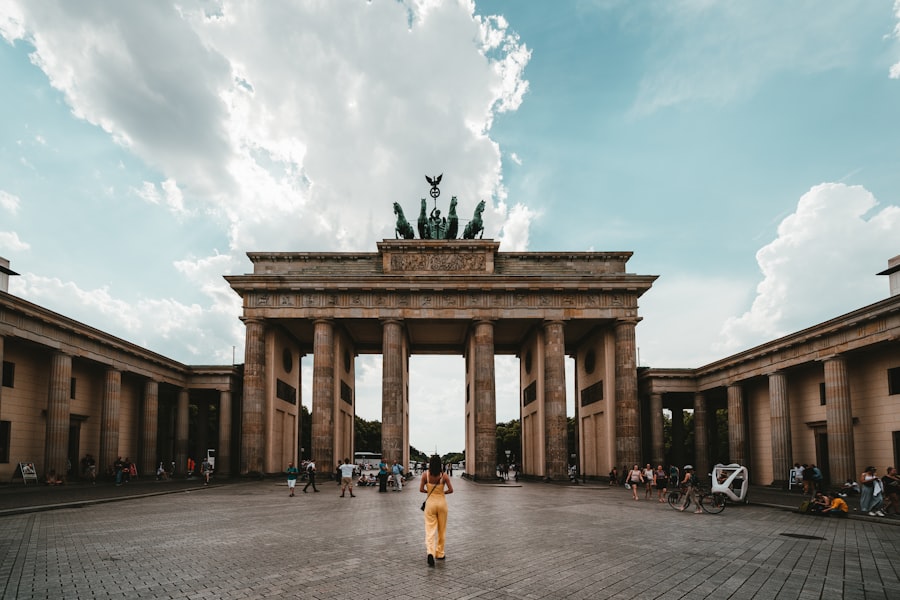
Berlin
Open guide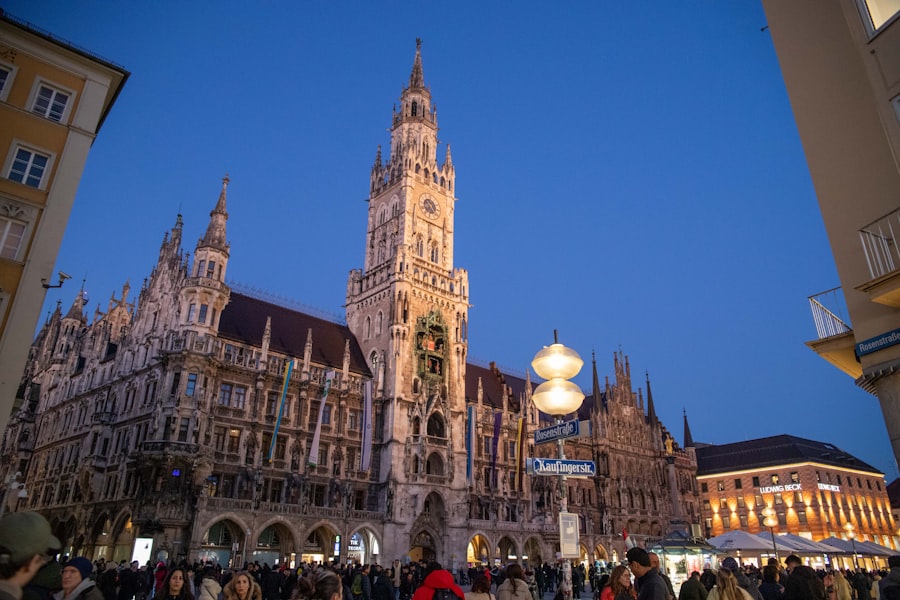
Munich
Open guideBerlin vs Munich: rent, schools & Germany costs
Side-by-side rent, budgets, school fees, safety, and weather—so you can compare both cities in one read. Follow the links to each place for the full checklists, neighbourhoods, and visa detail.
Capital creatives versus Bavaria’s corporate corridors — line up Berlin vs Munich strictly with the numbers we expose (rent anchors, daycare USD cues, nanny rates, multilingual school fee ranges, snowfall vs stormier plains weather, municipal safety summaries) prior to unpacking registration offices and bilingual Kita waitlists documented on each standalone guide page.
At a glance
Dollar amounts are the same ballpark figures we use on each city page for family rent, all-in spend, and day-to-day costs.
| Topic | Berlin | Munich |
|---|---|---|
| Monthly family all-in (guide range) | ~$5,500–$7,500 / month | ~$7,000–$10,000 / month |
| 3-bed rent anchor (single-line card) | ~$2,090 / month | ~$3,025 / month |
| Safety score (our scale) | 80/100 | 88/100 |
| Dinner for two (mid-range, benchmark) | ~$66 | ~$70 |
| Nanny (hourly, benchmark) | ~$18 / hr | ~$18 / hr |
All-in family budget (midpoint of our range)
Quick read: the bar uses the middle of each city's monthly all-in range. The table above has the full range.
The single-line cards show Berlin beneath Munich on rent anchor alone (~$2,090vs ~$3,025/ month). International catchments or villa compounds often sit above those anchors—see housing in each guide.
Prenzlauer Berg and Schwabing premiums diverge massively from borough averages—anchors stay intentionally conservative.
Schools and childcare
Fee bands for school types in each guide (we group by curriculum, not by school name) — a directional comparison of typical tuition ranges.
International / private school fee bands
Berlin: $11,000–$19,800/year typical · $16,500–$27,500/year typical · Free
Munich: $15,120–$30,240+/year typical · $8,640–$19,440/year typical · Free (public)
International nurseries and nanny hourly benchmarks differ street by street—open the childcare blocks on Berlin and Munich for the USD daycare and nanny lines we cite.
Climate (NASA POWER normals in each guide)
Both guides use the same methodology (long-term grid-cell normals; see each city’s weather card for caveats). Below are July and January highs/lows and rainfall.
| Window | Berlin | Munich |
|---|---|---|
| July (typical high / low, rain) | 33.4°C / 10°C · 80.6 mm (7 rain days) | 31°C / 8.1°C · 138 mm (12 rain days) |
| January (typical high / low, rain) | 8.1°C / -11.8°C · 54.2 mm (5 rain days) | 8.6°C / -12.6°C · 78.4 mm (7 rain days) |
Munich's proximity to Alps-driven weather shows cooler midsummer dips than Berlin's wider heat spikes in July normals; winters differ on snow-days—consult each school's outdoor policy bullets.
Visas and work permits
We deep-link both visa panels. Threshold totals, quotas, employer sponsorship, or tax filings still belong to official portals and qualified advisers—the digest echoes only what sits in those guide sections today.
- Berlin guide — visas & permits: each page lists routes that fit relocating families where we publish them — employment, investor, entrepreneurial, remote-work, or long-stay options — plus how to verify with official portals.
- Munich guide — visas & permits: open the same section for thresholds, dependents, and the checklist items we anchor to schooling and tenancy steps in that metro.
Family fit in our guides
Strengths and trade-offs as written on each city page.
Berlin
Strengths (guide)
- Tech workers or startup employees — Berlin is Germany's main technology and startup hub
- Families who value cultural diversity, parks, and a progressive city environment
- Parents willing to integrate into German public schools for long-term stays
- Those who enjoy cycling infrastructure and outdoor family life
Trade-offs (guide)
- Public Kita (daycare) waiting lists can be 12–18 months — register your child early, before birth if possible
- Non-EU freelancer visa requires a detailed application — not as simple as Portugal's D8
- German bureaucracy is thorough and slow — Anmeldung and permit appointments fill weeks ahead
- Most administrative offices and landlords operate in German only — bring a translator or German-speaking friend
Munich
Strengths (guide)
- Families relocating for jobs in engineering, automotive, finance, or tech — Munich is Germany's strongest corporate job market
- EU/EEA families who want a smooth, low-paperwork registration process
- Parents who want access to excellent public schools and a strong international school circuit in the same city
- Families who want outdoor access — the Alps, lakes, and Bavaria's countryside are all within 30–60 minutes of Munich
Trade-offs (guide)
- Munich is Germany's most expensive city — housing costs are significantly above Berlin, Hamburg, or Frankfurt
- KITA (nursery) waiting lists are 12–24 months — register immediately on arrival or risk not securing a place
- Munich is a conservative Bavarian city — the pace and social culture are quieter than Berlin; expats expecting Berlin-style openness may need to adjust
- German is essential for state schools and daily administration — invest in language lessons before and after arrival
Common questions
Which city looks cheaper in the numbers on this page?
Use the monthly all-in bands and the 3-bed rent anchors in the table—they are lifted straight from the Berlin and Munich guides. Winner changes once you pick schools, suburbs, and commute; treat the headline figures as orientation, not a budget lock.
What do the July and January climate rows mean?
They mirror each guide’s NASA POWER / MERRA-2 normals: typical highs, lows, and rain for those months—not a forecast for a single trip. Expand the weather cards before you judge heat, uniforms, or school-year outdoor time.
Where are housing portals, neighbourhood notes, and full visa wording?
Each city guide linked above has searchable housing portals, childcare USD anchors, checklist items, and the full visa prose. This digest aggregates the headline cost and safety metrics so you compare both metros in one read.
Is this legal, tax, or immigration advice?
No. Numbers and bullets mirror our guides only. Final eligibility, taxation, enrolment choices, or employer-sponsored routes need official authorities and licensed professionals tailored to your passport and income.
You might also like
Other family relocation guides and hubs on the same site.